

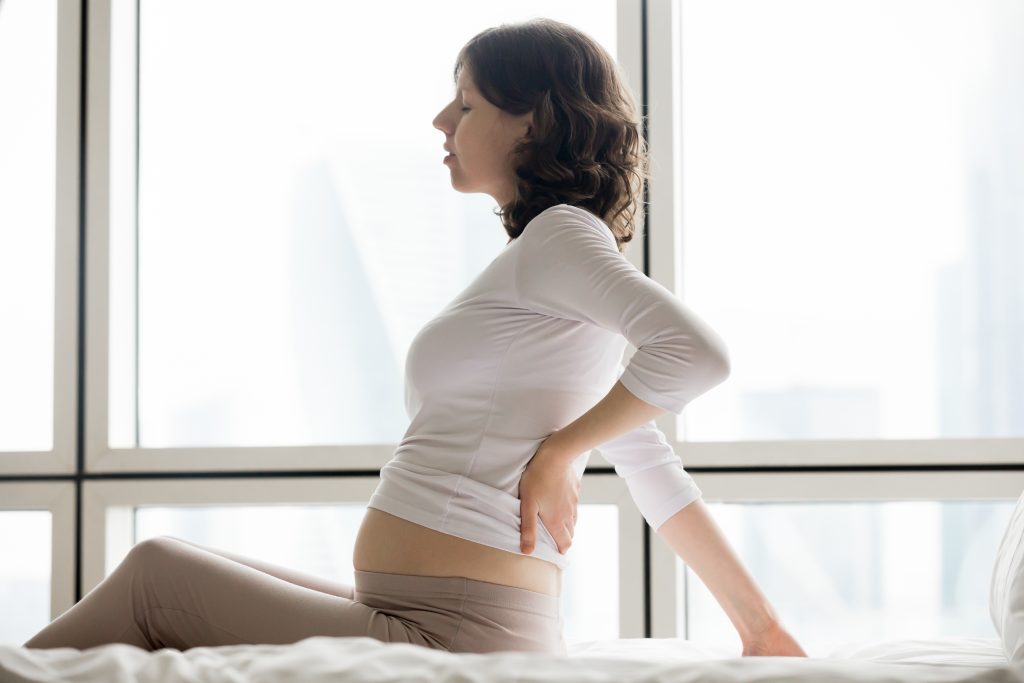
Tailbone discomfort during pregnancy often develops as hormones, posture, pelvic movement, and growing physical demands change how your coccyx functions.
The coccyx sits at the base of your spine. It supports part of your weight while sitting. It also anchors muscles linked with pelvic floor function.
You may wonder whether these changes are normal. You may also ask whether sitting differently will help. The answer depends on how your whole body is adapting.
The phrase tailbone pain during pregnancy describes a symptom, not one single cause. Your pelvis, spine, muscles, nerves, sleep, and daily habits may all contribute.
What Is Tailbone Pain During Pregnancy?
Tailbone symptoms are usually felt at the lowest part of the spine. Sitting, standing up, or leaning backward may make them more noticeable. Pregnancy and childbirth are recognised causes of coccyx irritation.
The tailbone does not work alone. It connects with pelvic floor muscles supporting the bladder, bowel, and uterus. Changes in those muscles can affect how the area handles load.
Symptoms are useful signals, but they do not tell the whole story. The deeper question is how well your body is adapting. Better movement and control often matter more than chasing one sensation.
When Do Tailbone Changes Usually Begin?
Tailbone symptoms can appear during any pregnancy stage. They often become more noticeable later, as body weight and sitting pressure increase. UT Southwestern reports they are more common during the late second and third trimesters.
| Pregnancy stage | Common functional changes |
| First trimester | Hormonal changes may affect ligament support |
| Second trimester | Balance and posture begin shifting more |
| Third trimester | Added load can increase pelvic and sitting demands |
Every pregnancy is different. Your past injuries, work habits, and movement patterns also matter. A previous fall may become relevant again as your body changes.
1. Pregnancy Hormones Change Ligament Support
Pregnancy hormones help the pelvis prepare for birth. Relaxin makes pelvic ligaments more flexible. This flexibility creates room for growth and delivery.
That change is useful, not faulty. Yet muscles may work harder to maintain control. The pelvic floor and nearby tissues may then respond with greater tension.
You may notice:
- Less confidence on one leg
- More effort while using stairs
- Strain when turning in bed
- Changes after longer walks
These signs do not prove instability. They show that load is being shared differently. Your nervous system must keep adapting to those changes.
2. Your Centre of Gravity Shifts Forward
As your abdomen grows, your balance point moves. Your spine and pelvis adjust to keep you upright. These changes can alter how your tailbone meets a chair.
You may notice yourself leaning backward while standing. Your ribs may lift and your lower back may arch. By evening, the area can feel tired or guarded.
Do not force one perfect posture. Your body needs a variety of movements. Small position changes often support better function than rigid sitting.
3. Sitting Changes How Your Pelvis Carries Weight
Sitting can become difficult as pelvic load changes. Soft sofas may let you roll backward. That position can place more pressure near the coccyx.
Long sitting also increases repeated strain. The NHS lists prolonged sitting and poor posture among common contributors to tailbone problems.
A practical sitting setup may include:
- Feet supported on the floor
- Weight shared through both sitting bones
- Gentle lower-back support
- Regular standing breaks
- A coccyx cut-out cushion when suitable
UT Southwestern recommends wedge-shaped cushions with a tailbone opening. The goal is reducing direct pressure without making your body rigid.
4. Pelvic Floor Coordination May Change
The pelvic floor works with your breath, abdomen, hips, and spine. These muscles must support growing physical demands. They also need to relax and lengthen when appropriate.
Many people assume pelvic floor symptoms always mean weakness. Yet tight or guarded muscles can also affect function. Stronger is not always better.
Ask yourself simple questions. Do you hold your breath while standing? Can your ribs and abdomen expand during a calm breath?
The right plan may involve:
- Strength when support is reduced
- Relaxation when muscles remain guarded
- Better breathing coordination
- Improved timing during movement
Generic strengthening may not suit every person. A pelvic health clinician can assess what your body needs.
5. Daily Movement Habits Matter More
Pregnancy can make common tasks feel awkward. Getting out of a car may involve twisting. Dressing while standing may load one side more heavily.
These movements are not always harmful. Yet repeated uneven loading can challenge a sensitive pelvis. NHS guidance notes that pelvic symptoms may worsen during stairs, one-legged standing, bed turning, or car entry.
Try these simple changes:
- Sit while putting on trousers.
- Keep your knees closer during car entry.
- Roll onto your side before leaving bed.
- Change carrying sides during the day.
- Break long tasks into shorter periods.
Think of these steps as experiments. Keep the ones that help you move with greater control. The goal is awareness, not fear.
6. Constipation Can Increase Tailbone Load
The coccyx sits close to the rectum. Constipation and straining may increase pressure around nearby tissues. Pelvic floor dysfunction can also involve constipation and tailbone symptoms.
Pregnancy hormones, reduced movement, and some supplements may affect bowel habits. Speak with your maternity provider before changing medication or supplements. They can suggest pregnancy-safe guidance.
Useful basics may include:
- Drinking enough fluids
- Eating suitable fibre-rich foods
- Walking regularly
- Avoiding repeated straining
- Asking about supplement side effects
Bowel changes may seem unrelated to posture. Yet the pelvis works as one connected region. Ignoring this factor can miss part of the pattern.
7. Your Nervous System Keeps Adapting
Your nervous system tracks balance, posture, movement, and muscle tone. It responds whenever your centre of gravity changes. It also reacts to stress, poor sleep, and uncertainty.
When movement feels unsafe, muscles may guard. This creates short-term control. But constant guarding can make simple tasks require more effort.
Better adaptation may look like:
- Turning in bed with more control
- Feeling steadier on stairs
- Sitting more evenly
- Recovering faster after activity
- Moving with less hesitation
These gains matter because function shapes daily life. Better movement can support sleep, energy, family time, and confidence.
Tailbone Discomfort, Sciatica, or Pelvic Girdle Symptoms?
Several conditions can feel similar during pregnancy. Location and movement patterns provide clues, but they do not replace assessment.
| Pattern | Common feature |
| Tailbone-related | Central symptoms at the spine’s base, often during sitting |
| Sciatica-related | Symptoms may travel through the buttock and leg |
| Pelvic girdle-related | Symptoms may affect walking, stairs, bed turning, or car entry |
Sciatica involves irritation of a nerve in the lower back and can create symptoms down the leg.Pelvic girdle symptoms may affect the front or back of the pelvis and alter movement.
When Should You Contact Your Maternity Provider?
Speak with your maternity provider when symptoms keep worsening. Assessment is also wise after a fall or direct injury.
Seek prompt medical care for:
- Vaginal bleeding
- Fever or feeling very unwell
- Regular contractions
- New leg weakness
- Spreading numbness
- Bowel or bladder changes
- Numbness around the saddle area
Not every pelvic symptom comes from the tailbone. Pregnancy is not the time to guess when changes feel severe or unusual.
Can Tailbone Symptoms Continue After Birth?
Yes, symptoms can continue after delivery. Birth may place extra pressure on the coccyx and pelvic floor. Feeding positions and long sitting periods may also affect recovery.
The pelvic region often needs time to regain coordination. LifeWorks also discusses postpartum pelvic alignment and recovery as a distinct stage.
Persistent symptoms deserve assessment. Postpartum recovery should include movement, rest, pelvic floor function, and whole-body adaptation.
How Pregnancy Chiropractic May Support Function

Pregnancy chiropractic examines how your spine, pelvis, posture, and nervous system are adapting. The focus should remain on movement and function. It should never rely on guaranteed outcomes.
LifeWorks Family Chiropractic lists pregnancy chiropractic among its core services. Its service information describes pregnancy-focused care within a wider family chiropractic approach.
Chiropractic Care may help explain movement patterns and spinal function. It can also provide guidance on daily habits. Your maternity provider should remain involved in your broader care.
Why a Whole-Person Plan Matters
Your tailbone does not work in isolation. The pelvis, pelvic floor, hips, spine, breathing, and sleep all interact. A one-size-fits-all plan may miss those links.
At LifeWorks Family Chiropractic, recommendations should reflect your pregnancy stage and assessment findings. No single service suits every mum. Your response should guide each next step.
Chiropractic Care may form one part of the plan. Pelvic health physiotherapy, maternity care, movement guidance, and medical review may also matter.
The search phrase tailbone pain during pregnancy may bring you here. Yet the more useful story involves movement, resilience, and adaptation. What does your changing body need to keep functioning with confidence?
Moving Through Pregnancy With Greater Comfort
Tailbone pain during pregnancy rarely has one single cause. Hormones, posture, muscles, and movement all influence your coccyx. As your baby grows, your body keeps adapting every day.
Small daily changes often make the biggest difference. Sit well, change positions often, and move with confidence. Support from your maternity provider may also help.
If symptoms worsen or limit daily activities, seek an assessment. Pregnancy chiropractic, pelvic health analysis, and movement advice may all support better function. The goal is not perfect posture. The goal is helping your body adapt well throughout pregnancy.
Frequently Asked Questions
Is tailbone pain during pregnancy normal?
Yes. Tailbone discomfort is common during pregnancy. It often develops as hormones, posture, and pelvic loading change.
How can I reduce tailbone pain while sitting?
Sit with both feet on the floor. Use lower-back support and stand regularly. A coccyx cut-out cushion may also reduce pressure.
Can pregnancy chiropractic help with tailbone pain?
Pregnancy chiropractic may support better movement, spinal function and pain relief. It should complement your maternity care, not replace it.
When should I contact my maternity provider?
Seek advice if symptoms worsen or affect daily life. Contact your provider immediately after a fall or with bleeding, fever, numbness, or bowel and bladder changes.