


Subluxation vs dislocation comes down to this: a dislocation is a clear joint separation that needs urgent care, while a subluxation is a subtle shift that can interfere with how your body functions every day.
You might be here because something feels off. Not serious enough to panic, but not normal either. That grey zone is where many people stay for years without real answers.
Let’s break this down in a way that actually helps you understand what is happening inside your body and what you can do next.
Understanding Subluxation vs Dislocation Starts With One Core Idea
Your body is not fragile. It is designed to maintain, adapt, and heal itself.
This process is guided by what we call Innate Intelligence,. It is the internal system that controls every function in your body. From movement to coordination to how you respond to stress, everything is regulated through the nervous system. This is the perspective followed at LifeWorks Family Chiropractic, where the focus is on how well your body is functioning, not just how it feels.
Now here is where things change.
When there is interference in the nervous system, the body cannot express that intelligence fully. This interference is called a Vertebral Subluxation Complex, or simply a subluxation, and it is often caused by physical, emotional, or chemical stress.
So when we talk about subluxation vs dislocation, we are not just comparing joint positions. We are comparing:
- A visible structural problem
- A deeper functional interference
And that difference matters more than most people realize.
What Is Dislocation?
A dislocation is when a joint completely separates.
The bones lose contact. The joint stops working the way it should. This usually happens due to trauma like a fall, accident, or sports injury.
You will notice it immediately.
Common signs include:
- Sharp and intense discomfort
- Visible deformity
- Sudden loss of normal movement
This is not something to wait on. It requires prompt medical care to restore alignment.
What Is a Subluxation?
A subluxation is much more subtle.
The joint is not fully separated, but it is misaligned enough to create interference within the nervous system. This interference builds over time through daily stress, not just injury.
Here is the tricky part.
You may not feel it right away.
You can still move. You can still go to work. You can still function. But your body may be adapting in ways that are not efficient.
Have you ever felt:
- Tight for no clear reason
- Tired even after a full night’s sleep
- Slightly off but unable to explain why
These are often early signals that your body is compensating.
7 Proven Differences: Subluxation vs Dislocation
Here are 7 detailed and clearly explained differences in a structured table:
| Factor | Dislocation | Subluxation |
| Degree of Separation | The joint surfaces completely lose contact and separate entirely. This disrupts normal joint alignment and function immediately. | The joint surfaces remain partially connected but are misaligned. This creates subtle dysfunction without full separation. |
| Visibility & Presentation | Often visibly obvious with swelling, deformity, or abnormal joint position. The change is usually noticeable right away. | Typically not visible from the outside. The misalignment stays hidden and requires proper assessment to detect. |
| Urgency & Onset | Occurs suddenly due to trauma and requires immediate medical attention. Delay in care can worsen damage. | Develops gradually over time due to repeated stress. It is often ignored because symptoms are not urgent. |
| Pain & Symptoms | Causes sharp, intense, and immediate pain. Movement becomes very difficult or impossible in most cases. | May cause mild discomfort, stiffness, or no pain at all. Symptoms can come and go, making it easy to overlook. |
| Nervous System Impact | Primarily affects the joint structure, ligaments, and surrounding tissues. The focus is on mechanical damage. | Can interfere with nerve communication and body coordination. This affects how the body functions and adapts over time. |
| Cause | Usually caused by a sudden force like a fall, accident, or sports injury. The impact is immediate and significant. | Results from accumulated stress such as poor posture, repetitive movements, or daily habits. The effect builds slowly. |
| Long-Term Effect | Once corrected, the joint can heal but may remain prone to instability. Rehabilitation is often needed for full recovery. | Can persist silently and affect long-term body function. It may influence posture, movement patterns, and overall health. |
How Chiropractic Care Supports the Nervous System
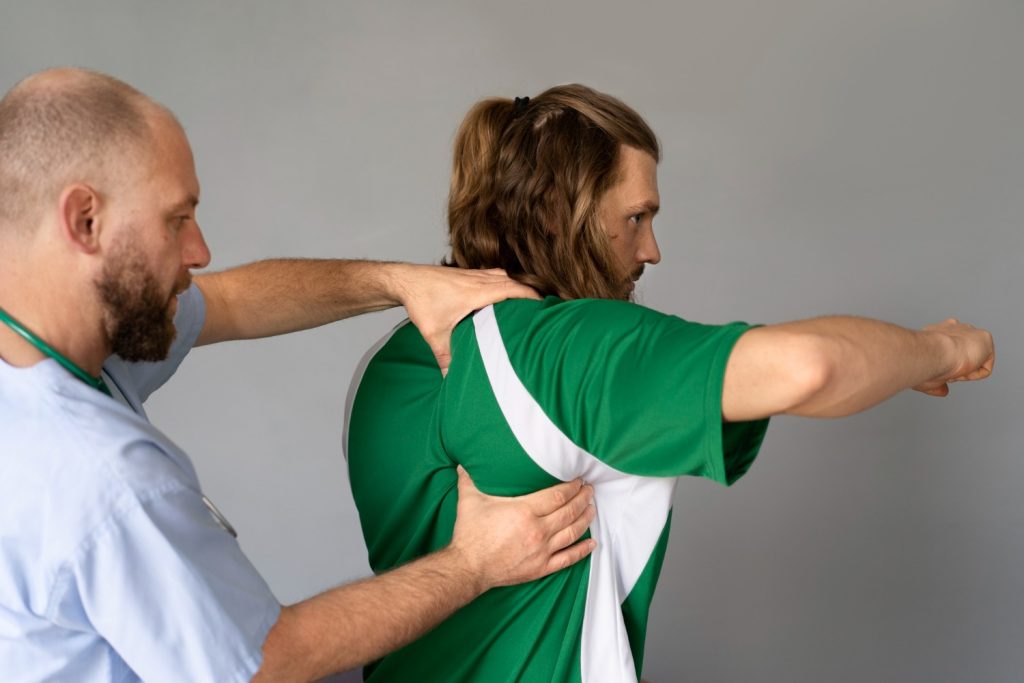
When most people think about chiropractic, they think about joints or posture. But a nerve-focused approach looks deeper.
At LifeWorks Family Chiropractic, chiropractic care is centered on identifying and reducing interference within the nervous system so your body can function the way it was designed to.
This is not about forcing change. It is about allowing your body to express its natural ability to adapt and regulate.
Here is how that process works:
- Detecting Subluxation: Looking for where interference exists, not just where symptoms show up
- Specific Adjustments: Gentle corrections that help restore clearer communication in the body
- Supporting Adaptation: Helping your body respond better to daily stress
- Guiding Transformation: Moving from constant compensation to improved function over time
While many people notice changes in how they move or feel, those changes are not the main goal. They are signs that the body is functioning with less interference.
Why Subluxation Is Often Overlooked
Most people wait for something obvious.
A fall. A major injury. A moment when the body clearly stops working.
But subluxation builds quietly.
Your body keeps adapting. It keeps compensating. And because it is doing its job, you may not realize anything is wrong.
You might think:
“Is this just part of getting older?”
“Do I just need rest?”
But what if the issue is not age or fatigue, but how well your body is adapting?
A Different Way to Look at Health
Nerve-focused chiropractors are the only professionals specifically trained to detect and reduce this type of interference in the nervous system.
That changes the conversation.
Instead of asking:
“Where does it hurt?”
You begin to ask:
“How well is my body functioning?”
That shift moves you from reacting to problems to understanding your body at a deeper level.
Where Peripheral Neuropathy Fits In
If you have looked into the Peripheral Neuropathy Program, you already know how important nerve communication is.
Peripheral neuropathy is often described through sensations like tingling or numbness. But underneath that, it reflects how signals travel through the body.
When there is interference in the nervous system, signal flow can be altered.
Over time, this can change how sensations are experienced and how the body responds.
This is why focusing only on the symptom may not give the full picture.
Many people who explore the Peripheral Neuropathy Program begin to understand how connected everything is. It shifts the focus from isolated concerns to overall function.
What Does the Process Look Like?
This is not about quick fixes.
It is a guided process where your body moves from compensation toward better function.
Step 1: Awareness
You begin to recognize that something may not be functioning at its best.
Step 2: Assessment
A deeper look at how your nervous system is adapting.
Step 3: Correction
Specific adjustments to reduce interference.
Step 4: Adaptation
Your body begins to respond with less strain.
You may notice:
- More ease in daily movement
- Better energy
- Improved response to stress
Step 5: Transformation
This is where the real shift happens.
Patients move through a process where their body shifts from constant compensation to improved function and adaptability.
Again, improvements in comfort or mobility may happen, but they are outcomes, not the goal.
Real Questions People Ask
Let’s make this real.
You might be wondering:
- “If I don’t have a dislocation, should I even care?”
- “Can small misalignments really affect daily life?”
- “Is this worth my time?”
These are valid questions.
From what we see in practice, the biggest changes often come from addressing what is not obvious.
Bringing It Back to You
Subluxation vs dislocation is not just a comparison of joints.
It is a different way of understanding your body.
One is loud and immediate. The other is quiet and builds over time.
But the quiet one may be shaping how you feel, move, and function every single day.
So here is something worth thinking about.
If your body is designed to adapt and function at a high level, what might change if that system started working the way it was meant to?