

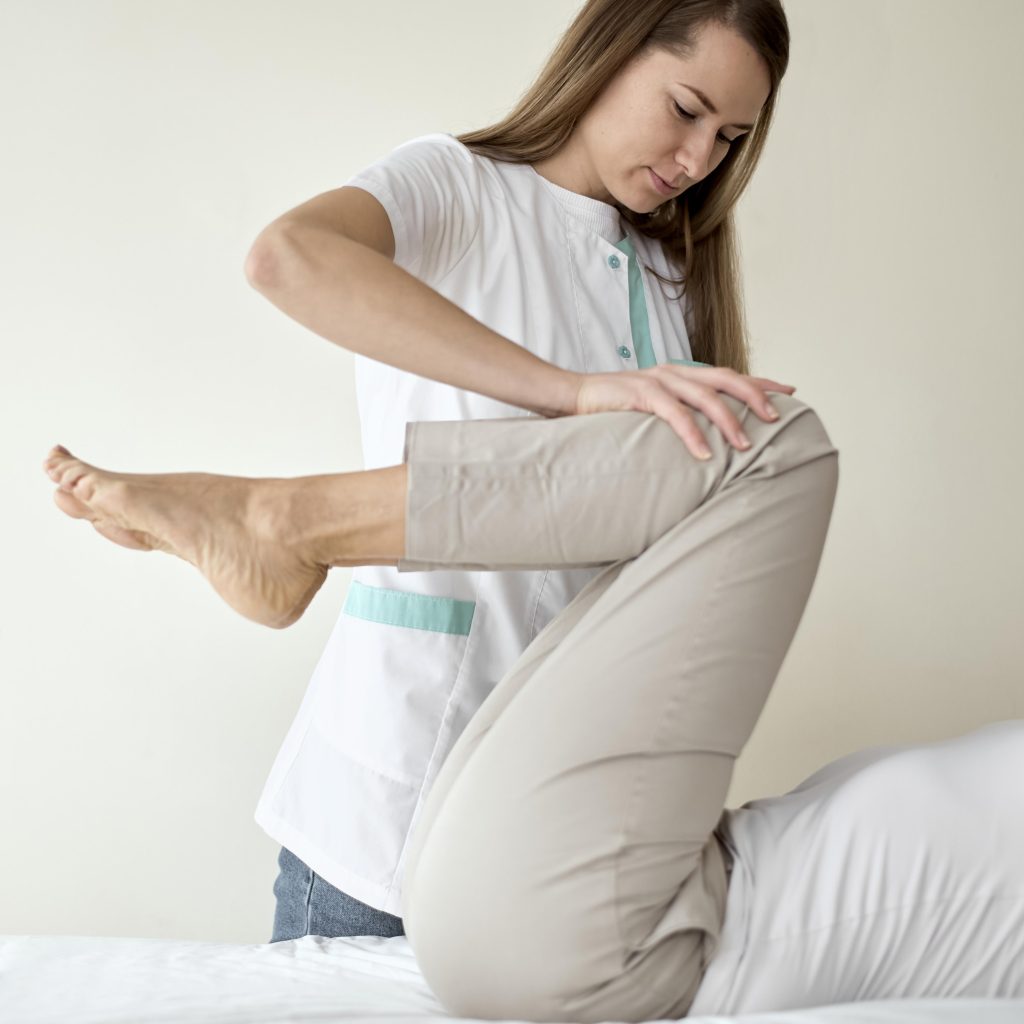
When does round ligament pain begin? It most commonly starts during the second trimester, usually between weeks 14 and 27, as the uterus grows and the supporting ligaments adjust to new demands.
A sudden pulling sensation in your lower abdomen or groin can feel unexpected during pregnancy. You may notice it when standing quickly, turning in bed, walking, or changing positions.
Many people wonder, “Is this a normal pregnancy change, or should I be concerned?”
Understanding what is happening inside your body can help you recognize common pregnancy-related changes and know when something may need further assessment.
The round ligaments are part of the support system around your uterus. As pregnancy progresses, these tissues stretch and adapt as your baby grows. This process can create sensations that feel sharp, pulling, or uncomfortable during certain movements.
The timing, location, and pattern of these sensations can provide useful information about what your body is experiencing.
What Are Round Ligaments and Why Do They Matter?
The round ligaments are bands of connective tissue that help support the uterus. They extend from the uterus toward the groin area and help maintain its position as pregnancy develops.
During pregnancy, your uterus gradually becomes larger and heavier. The round ligaments stretch to accommodate these changes.
This stretching can create sensations around areas such as:
- Lower abdomen
- Groin
- Sides of the pelvis
- Hip area
The round ligaments do not work alone. They are part of a larger movement system that includes your:
- Pelvis
- Hips
- Spine
- Core muscles
- Surrounding connective tissues
This is why pregnancy changes can sometimes be noticed during everyday activities.
A simple movement like standing from a chair involves coordination between multiple areas of your body. Your pelvis shifts, your muscles engage, and your balance adjusts.
1. Round Ligament Pain Usually Begins During the Second Trimester
A common pregnancy question is: “When does round ligament pain begin?” For many people, it becomes noticeable during the second trimester, especially between weeks 14 and 27. This timing often matches important changes happening in the body.
During this stage:
- The uterus continues expanding
- Supporting tissues stretch further
- The body adjusts to changing weight distribution
- Movement patterns begin to shift
However, there is no exact week when everyone experiences these sensations. Some people notice them earlier. Others may not notice them until later in pregnancy. Your pregnancy experience depends on many factors, including your body, activity level, and how you move throughout the day. The timing alone does not determine whether something is normal. The pattern matters too.
Consider:
- When does the sensation appear?
- What movement triggers it?
- How long does it last?
- Does it affect your daily activities?
These details can help you better understand what is happening.
2. Pregnancy Changes How the Round Ligaments Handle Movement
As your uterus grows, the round ligaments experience more tension. This does not happen because something is wrong. It happens because your body is adjusting to support pregnancy. Think about how your body responds when you carry a heavier bag than usual. Your posture changes slightly. Your muscles work differently. Your balance may shift.
Pregnancy creates similar changes over time.
You may notice differences when you:
- Get out of bed
- Walk longer distances
- Stand for longer periods
- Move from sitting to standing
- Change direction quickly
These moments happen because your body is managing new physical demands. The round ligaments are designed to adapt, but you may become more aware of them as pregnancy progresses. Understanding this process can help you recognize why certain movements feel different.
3. Certain Movements Can Make Round Ligament Sensations More Noticeable
Many people notice round ligament sensations during sudden movements.
Common examples include:
- Standing up quickly
- Rolling over in bed
- Coughing or sneezing
- Laughing
- Turning while walking
- Changing exercise intensity
These movements create a quick shift in tension around the tissues supporting the uterus.
For example, rolling over in bed may seem simple, but your body has to coordinate your hips, pelvis, and abdominal muscles at the same time.
The same applies when you quickly stand after sitting. Your body needs to adjust your balance and movement pattern in a short moment. This does not mean movement should be avoided. Instead, noticing these patterns can help you understand how your body is responding during pregnancy.
A useful question to ask is: “What movement brings this sensation on?” That answer can often provide more insight than the sensation alone.
4. Understanding Your Symptoms Can Help You Recognize When Assessment Matters
Pregnancy involves many changes, and not every sensation means the same thing.
Round ligament sensations are often brief and connected with movement. They may feel like:
- A pulling feeling
- A quick sharp sensation
- A stretching feeling
- A short ache near the lower abdomen or groin
However, it is important not to assume every abdominal or pelvic symptom is related to the round ligaments.
Contact your healthcare provider if symptoms are:
- Severe
- Persistent
- Getting worse
- Different from your usual pregnancy experiences
You should also seek medical guidance if symptoms occur with:
- Bleeding
- Fever
- Dizziness
- Regular contractions
- Unusual discharge
- Painful urination
Your healthcare provider can help determine whether symptoms match common pregnancy changes or require further evaluation.
How Does Pregnancy Change Your Movement Patterns?
Pregnancy affects more than the uterus. As your body changes, your spine, pelvis, hips, and muscles work together differently.
You may notice:
- Changes in posture
- Different walking patterns
- New balance challenges
- Changes in how you move during daily tasks
These changes are part of how your body manages a growing baby and shifting physical demands. At LifeWorks Family Chiropractic, pregnancy care focuses on understanding these movement changes and how they relate to your overall function. Their approach considers factors such as spinal movement, muscular balance, and individual needs rather than looking at one symptom in isolation.
Understanding how your body moves can provide useful context during pregnancy.
Looking for Support During Pregnancy Movement Changes?
Pregnancy is different for everyone. Your stage of pregnancy, daily activities, movement patterns, and health history all influence your experience.
LifeWorks Family Chiropractic provides pregnancy-focused care designed around individual needs. Their Pregnancy Chiropractic Kelowna services focus on supporting people through the physical changes that occur during pregnancy.
The goal is not to treat every pregnancy sensation the same way. It is about understanding your body, your movement patterns, and what support may be appropriate for your situation. Pregnancy care should always work alongside guidance from your prenatal healthcare provider.
How Can Chiropractic Care Fit Into Pregnancy Support?
Many people look for ways to better understand movement changes during pregnancy. Chiropractic Care at LifeWorks Family Chiropractic focuses on the relationship between the spine, movement patterns, and overall body function.
Every pregnancy is unique. The approach depends on your individual needs, pregnancy stage, and health considerations. A conversation with a qualified healthcare professional can help you decide what type of support fits your situation.
Key Takeaways About Round Ligament Pain Timing
Understanding when these sensations appear is only one part of the picture. The main points to remember are:
- Round ligament sensations commonly appear during the second trimester.
- The round ligaments stretch as the uterus grows.
- Quick movements can make sensations more noticeable.
- Pregnancy changes how your body balances and moves.
- Unusual or severe symptoms should always be discussed with your healthcare provider.
Your body gives you information through movement and sensation. The more you understand those signals, the easier it becomes to recognize what is changing and when it may be worth asking for support.
Here’s a concise version matching the style of the previous blog:
FAQs
When does round ligament pain usually start?
Round ligament pain commonly begins during the second trimester, often between weeks 14 and 27.
What does round ligament pain feel like?
It may feel like a sharp, pulling, stretching, or aching sensation in the lower abdomen or groin.
What can trigger round ligament pain?
Sudden movements such as standing quickly, rolling in bed, coughing, sneezing, or changing direction may make it more noticeable.
When should you contact your healthcare provider?
Seek medical advice if pain is severe, persistent, worsening, or occurs with bleeding, fever, dizziness, contractions, or unusual discharge.