

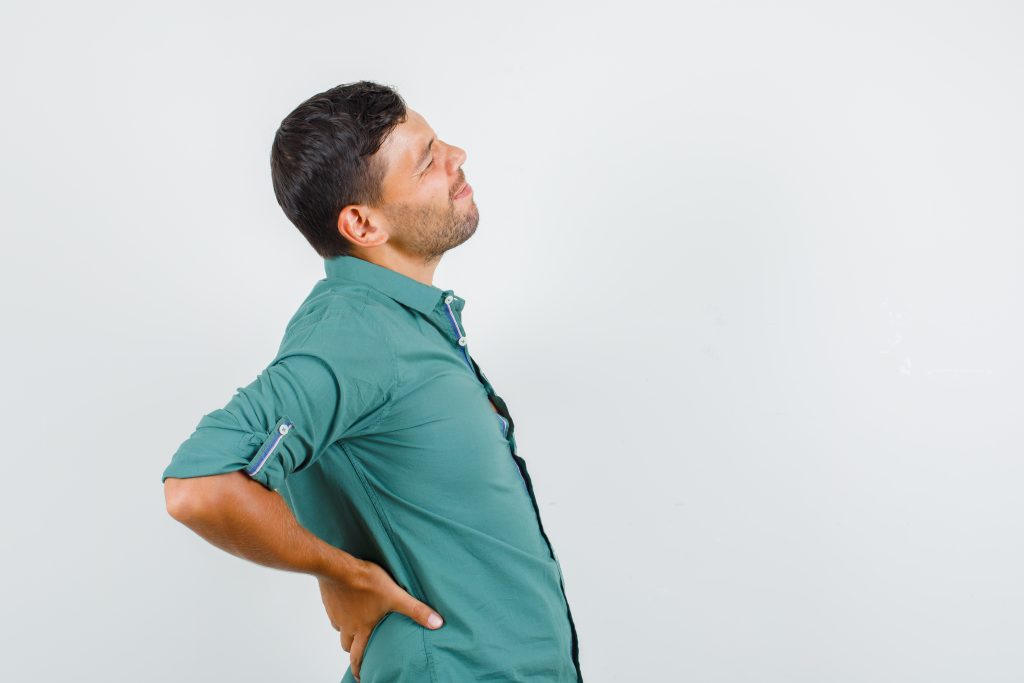
That deep ache beside your lower back may not be as simple as a “tight QL.” The quadratus lumborum works with your spine, pelvis, and hips during many everyday movements.
You may notice the change after lifting, sitting, walking, or twisting. Sometimes it appears after a new workout or a long day doing the same task. The tricky part is knowing what the symptom actually means. Quadratus lumborum pain can have several possible contributors, and the QL is not always the source.
Before You Blame the QL, Look at the Pattern
Think about what your body was doing before the symptoms started. Did your activity change? Did you spend more time sitting? Did one movement suddenly become harder?
These details matter because your lower back does not work in isolation. Your hips, pelvis, spine, and surrounding muscles all share the work during movement. You also do not need to diagnose the muscle yourself. Instead, look at where you notice the change, what movements affect it, and whether your normal function has changed.
That gives you a much better starting point than simply calling it a “tight QL.” So, what are the five clues worth paying attention to?
Key Insights
- Activity changes can increase demands on the lower back.
- Sitting and repetitive movement may affect movement patterns.
- One-sided symptoms do not confirm a QL problem.
- Function can reveal changes that symptoms alone cannot.
What Is the Quadratus Lumborum?
Quadratus lumborum pain can feel deep on one side of your lower back. The quadratus lumborum is a deep muscle beside your lumbar spine. It connects the pelvis, lower spine, and twelfth rib. It also helps stabilize your trunk during movement.
But not every symptom near the QL comes from the muscle. Other muscles, joints, discs, nerves, and tissues can produce similar symptoms. Research also does not establish the QL as the source of every case. So, what changed before your symptoms began?
1. A Sudden Change in Activity
A quick increase in activity can change how your body handles load. You may start a new workout, hike longer trails, or spend a weekend lifting boxes. Gardening, home repairs, and manual work can create similar changes.
Ask yourself:
- Did your activity level increase?
- Did you start a new exercise?
- Did you lift more than usual?
- Did you repeat one movement for hours?
The timing matters. If symptoms appeared after a clear change in workload, mention that during an assessment.
2. Long Periods of Sitting
Long periods in one position can affect how your lower back moves. You may notice stiffness after a long drive or workday. Standing up can feel different after several hours in a chair.
Sitting does not prove that your QL is responsible. Instead, consider whether your movement changes after prolonged sitting. Does walking feel different? Does your back move more freely after you get up? That pattern can provide useful information.
3. Bending, Twisting, or Lifting
Your lower back works with your hips, pelvis, and trunk during everyday movement. Bending, twisting, lifting, and reaching can place different demands on these areas. Repeated loading may also change how you perform those movements.
Think about your daily tasks. Does reaching across your car feel different? Do you shift your weight while lifting? Does turning one direction feel different from the other?
These details can help describe what your body is doing.
4. One-Sided Loading
The QL sits on both sides of your lower spine. You may notice symptoms on one side after carrying a bag, reaching repeatedly, or loading one side more during work. But one-sided symptoms do not confirm a QL problem.
Other structures can produce similar patterns. That is why location should be treated as a clue, not a diagnosis.
5. Your Movement Pattern May Be the Bigger Clue
Your lower back does not work alone. Your hips, pelvis, spine, legs, and trunk all contribute to movement. A change in one area can alter how you perform a task.
Watch yourself getting out of a chair. Do you shift toward one side? Do you use your hands? Does one hip seem to do more work? Small changes can reveal differences in function.
Is It Really Your Quadratus Lumborum?
Not every ache near the QL comes from the QL. Lower-back symptoms can involve muscles, joints, discs, nerves, or other structures. The QL also sits among tissues that work together during movement.
A tender spot does not identify the source.
Consider the whole picture instead:
- Where do you notice the symptoms?
- When did they begin?
- What changed first?
- Which movements affect them?
- Has your normal function changed?
That information can help guide an appropriate assessment.
Why Can Symptoms Appear on One Side?
One-sided symptoms can occur with different movement and loading patterns. You might carry a bag on one shoulder each day. Your work might also keep you reaching toward one side.
These habits can affect how you use your body. They do not prove that the QL caused your symptoms. Other lower-back structures can create similar patterns.
What Can Your Lower Back Still Do?
Function gives you another way to assess the change. Can you walk normally? Can you stand from a chair without shifting your weight? Can you bend, turn, or lift everyday objects?
Think about activities that matter to you. If you hike, walking capacity matters. If you work at a desk, movement after sitting matters. If you lift at work, controlled movement matters.
Ask yourself:
“What can I do today that I could not do normally last week?” That question shifts attention from one symptom to your actual function.
Should You Stretch Your Quadratus Lumborum?
QL stretches are common in online searches. But stretching is not automatically appropriate for every lower-back problem. The QL may not be the source. Another muscle, joint, disc, or nerve may also be involved. Understanding the pattern first can help you choose a more suitable next step.
When Should You Have Your Back Assessed?
Consider an assessment if symptoms persist, return often, or affect normal activities.
Changes in strength, movement, or sensation also deserve attention.
Seek prompt medical care for:
- New bowel or bladder problems
- Numbness around the groin
- Significant weakness
- Fever with severe back symptoms
- Severe symptoms after major trauma
These signs can indicate a condition requiring medical evaluation.
Looking for Support for Better Spinal Movement?
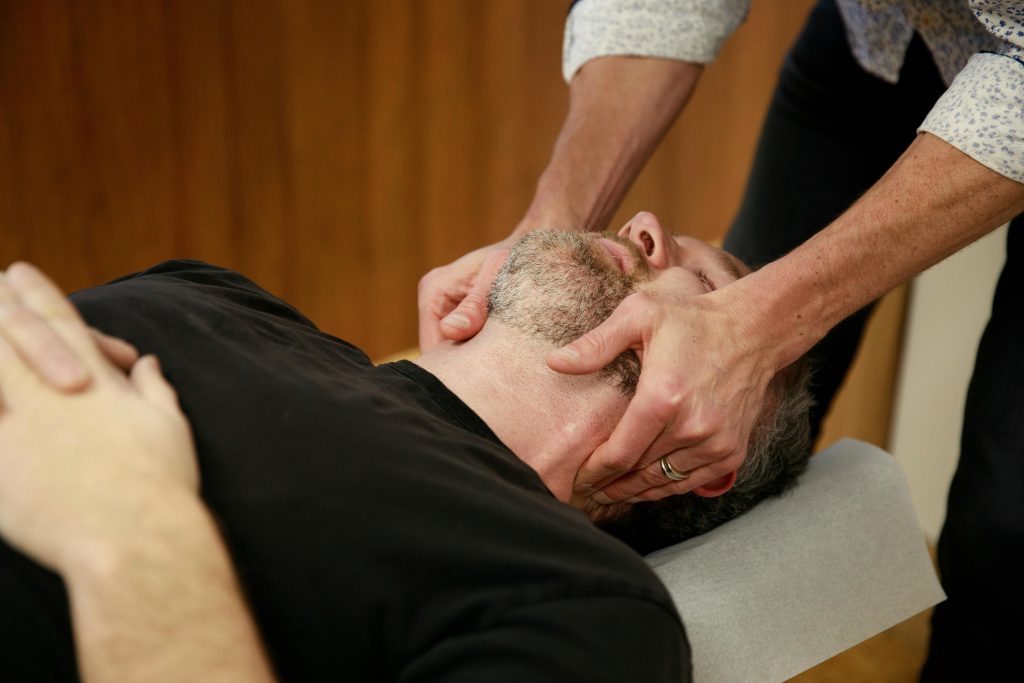
A broader assessment can look beyond the spot where you notice symptoms. Your spine, pelvis, hips, and surrounding muscles all contribute to movement. Understanding how these areas work together can help identify changes in function.
Chiropractic Care at LifeWorks includes several chiropractic techniques. These include Torque Release Technique, Activator, ART, Thompson Drop, Diversified, and extremity adjusting. Care is tailored to the individual.
For active people, Sports Chiropractic focuses on movement, physical demands, and an active lifestyle.
Chiropractic Wellness and Rehabilitation can also support people working toward better stability, movement, and physical function.
This does not mean every lower-back problem needs chiropractic care.
Some conditions require medical, orthopedic, physiotherapy, or other professional assessment.
At LifeWorks Family Chiropractic, the focus can include how your body moves and functions rather than focusing only on one symptom.
What Should You Track Before an Appointment?
Keep a short record for a few days.
Write down:
- When symptoms started
- Where you notice them
- What activity came before them
- Which movements change them
- Whether sitting affects the pattern
- Whether strength or movement has changed
You do not need special equipment.
Clear details about your daily movement can make your history easier to explain.
FAQs
What is the quadratus lumborum?
The quadratus lumborum is a deep lower-back muscle. It connects the pelvis, lumbar spine, and twelfth rib.
What can cause quadratus lumborum pain?
Possible contributors include activity changes, repetitive movement, prolonged posture, lifting, and muscle strain. Other structures can create similar symptoms.
Can sitting affect the QL?
Long periods in one position may change how your lower back feels and moves. Sitting alone does not confirm a QL problem.
Should every QL problem be treated as a muscle problem?
No. Similar symptoms can involve several structures. A broader assessment can help determine what needs closer attention.
Your lower back is part of a larger movement system. What could your movement be telling you that the symptom alone cannot?