

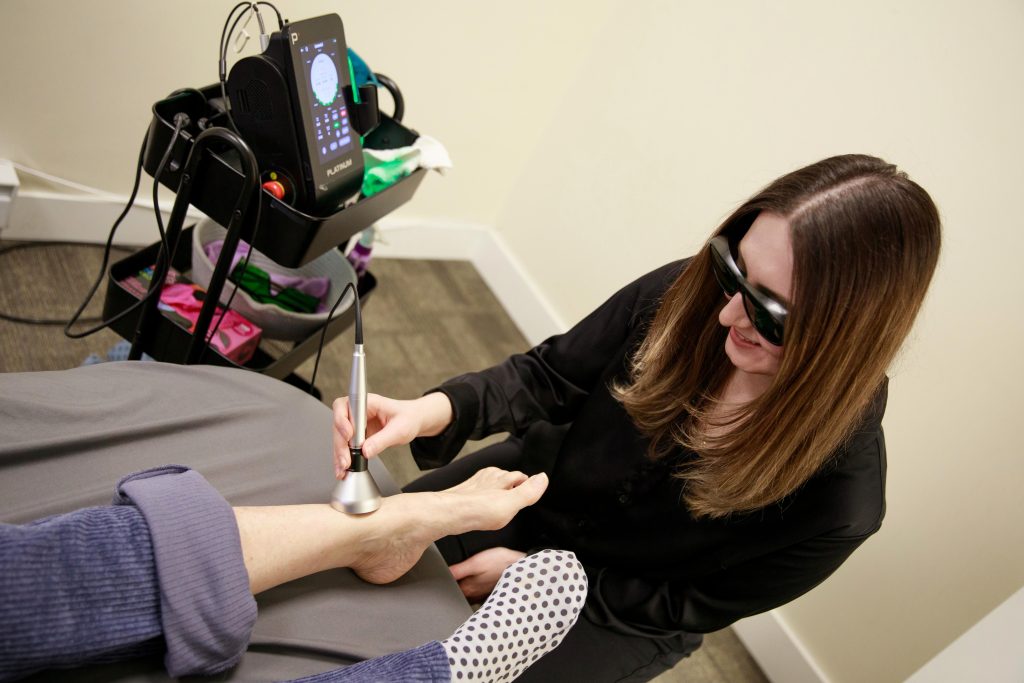
What Is Photobiomodulation Therapy and How Can It Support Recovery?
Photobiomodulation therapy is a light-based approach that supports the body’s natural recovery processes by targeting tissues involved in movement, function, and repair.
You may start looking into this option after noticing changes in how your body moves. Maybe your shoulder feels restricted when reaching overhead. Your knee may not handle stairs the same way anymore. Or your heel may affect how comfortably you walk after standing all day.
These situations often make people search for ways to support their recovery. Photobiomodulation therapy uses specific wavelengths of light to interact with tissues at a cellular level. Researchers have studied how this type of therapy may influence cellular activity, circulation, and normal tissue responses.
At LifeWorks Family Chiropractic, photobiomodulation therapy is used as part of care for musculoskeletal concerns involving muscles, joints, tendons, and soft tissues. It is important to understand that this therapy has its own purpose. It is not simply another form of chiropractic care.
Photobiomodulation therapy focuses on supporting local tissues and recovery processes. Chiropractic care focuses on areas such as spinal function, movement patterns, and nervous system communication. Understanding the difference helps you choose an approach that matches your goals.
How Does Photobiomodulation Therapy Work?
Your body is constantly responding to physical demands. Exercise challenges muscles. Repetitive movements place stress on tendons. Injuries create new demands on the tissues involved.
Photobiomodulation therapy uses red and near-infrared light to support biological processes within those tissues.
At a cellular level, research has explored how light energy may influence:
- Cellular energy production
- Circulation around treated areas
- Normal inflammatory responses
- Tissue recovery processes
Think of recovery like rebuilding a pathway. The body needs the right conditions, resources, and movement patterns to restore normal function. Photobiomodulation therapy may support one part of that process.
It does not replace exercise, rehabilitation, or healthy movement habits. Instead, it can be one tool within a broader recovery plan.
Why Is Class 4 Laser Therapy Used for Photobiomodulation?
Class 4 laser therapy is one method used to deliver photobiomodulation therapy. The difference comes from the technology used and the amount of energy delivered.
Higher-powered laser systems allow practitioners to apply light energy to larger treatment areas involving muscles, joints, tendons, and deeper soft tissues. Research continues to explore how high-intensity laser therapy may support different musculoskeletal conditions.
The goal is not simply using a stronger device. The goal is matching the right approach to the tissue being supported. For example, the needs of a large muscle area may differ from the needs of a smaller tendon concern.
A better question is: “What tissue are we supporting, and why does this approach fit that concern?”
Why Do People Explore Photobiomodulation Therapy?
Most people do not search for this therapy because they are interested in technology alone. They usually have a practical reason.
You may be exploring this option because:
- An injury has changed your daily routine
- A tendon issue affects your activity
- A joint feels limited during movement
- A sports injury is taking longer than expected
- Your body does not respond the way it used to
Your goal is usually not just changing how you feel for a moment. You want to return to activities that matter. Maybe that means walking comfortably, returning to exercise, playing your favourite sport, or simply moving through your day with more confidence. That is why function matters.
Photobiomodulation Therapy for Back and Neck Function
Your back and neck handle constant daily demands. Sitting at work. Carrying groceries. Driving. Exercising. Gardening. Over time, these activities can place repeated stress on muscles and surrounding tissues. You may notice changes in movement before anything else. Turning becomes harder. Sitting feels different. Certain activities require more effort.
Photobiomodulation therapy has been studied for musculoskeletal concerns involving the spine and surrounding tissues. Research outcomes can vary depending on the condition, treatment settings, and individual factors. A complete approach may include:
- Appropriate movement
- Strength exercises
- Activity adjustments
- Recovery support
The goal is helping your body handle daily demands more effectively.
Supporting Knee Function and Joint Movement
Your knees help you perform simple movements every day. Walking. Standing. Climbing stairs. Getting in and out of a vehicle. When knee function changes, everyday activities can feel different.
Photobiomodulation therapy has been studied for knee-related concerns, including osteoarthritis. Research has explored its potential role in supporting disability, movement, and joint function.
However, your knee has more than one structure. Your muscles, movement habits, activity level, and strength all influence how your knee performs. A supportive plan may include:
- Gradual strengthening
- Regular movement
- Appropriate activity levels
- Improving confidence with movement
The goal is helping your knee support the life you want to live.
Supporting Plantar Fascia and Foot Function
Your feet absorb stress every day. Walking. Standing. Exercising. Working. When your plantar fascia becomes irritated, you may notice changes in your routine.
Maybe you avoid longer walks. Maybe standing at work becomes more demanding. Maybe your morning steps feel different. Photobiomodulation therapy has been explored for plantar fasciitis and other soft tissue concerns.
The focus is supporting the tissue involved and creating better conditions for recovery. Your daily habits still matter. Footwear, activity changes, mobility, and training volume can all influence how your foot responds. A good recovery plan looks at the whole picture.
Supporting Tendon Recovery and Repetitive Strain Concerns
Tendons handle repeated loads. That is why tendon concerns can sometimes feel frustrating. You reduce activity and things improve. Then you return to normal movement and the same problem appears again.
Photobiomodulation therapy has been studied for tendon-related concerns, including:
- Golfer’s elbow
- Tennis elbow
- Achilles tendon concerns
- Rotator cuff issues
Research suggests potential benefits for some tendinopathy conditions, although outcomes can vary depending on the tendon involved and treatment approach. The treatment is only one part of recovery. You also need to understand what keeps stressing the tendon.
- Is it your work?
- Your sport?
- Your training volume?
- Your movement habits?
Those answers matter.
Supporting Sports Injuries and Soft Tissue Recovery
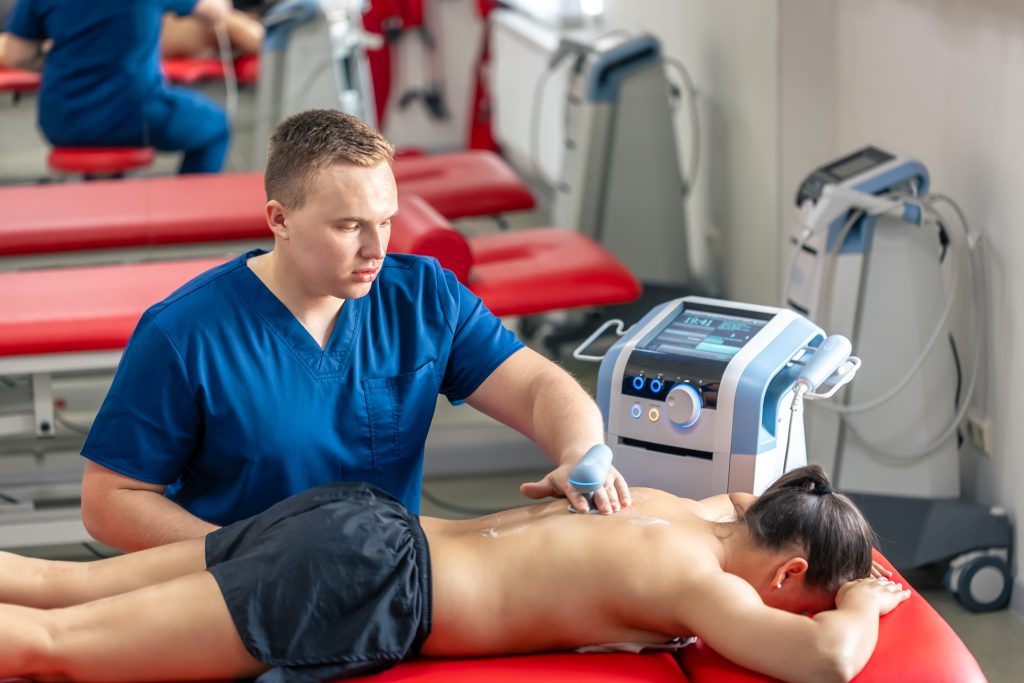
An injury does not need to happen during competition. You can strain your back while gardening. You can roll your ankle stepping off a curb. You can irritate your shoulder during a workout.
The tissue does not know whether you were wearing a jersey. It responds to physical stress.
Photobiomodulation therapy may be explored for soft tissue concerns involving:
- Muscle strains
- Ligament sprains
- Rotator cuff injuries
- Sports-related injuries
- Repetitive strain concerns
At LifeWorks Family Chiropractic, this approach may support recovery plans involving these types of musculoskeletal concerns. The goal is not rushing back too soon. The goal is helping your body gradually rebuild its ability to handle activity.
Photobiomodulation Therapy and Fibromyalgia
Fibromyalgia is different from a single injury or local tissue concern.
It involves widespread symptoms that can affect daily life in many ways.
Researchers have explored photobiomodulation therapy for fibromyalgia, including its potential effects on symptoms such as fatigue and function. Some evidence suggests possible benefits, but more research is needed to understand the best protocols and applications.
Because fibromyalgia is complex, your care plan should consider your overall health, movement, lifestyle, and individual goals.
One treatment rarely answers every question.
Can Photobiomodulation Therapy Support Nerve Function?
Nerve-related effects are another area researchers continue to study. However, this is not the primary reason most people explore this approach. Photobiomodulation therapy is more commonly considered for muscles, joints, tendons, and soft tissues.
Research has explored how light-based therapies may influence nerve-related processes and surrounding tissues. The results depend on the condition, treatment settings, and individual situation.
If you notice weakness, numbness, or changes in normal function, assessment is important. The right approach starts with understanding what your body is communicating.
Photobiomodulation Therapy and Chiropractic Care Are Different
Photobiomodulation therapy and chiropractic care can both be part of a broader care plan. But they are not the same service. Photobiomodulation therapy focuses on:
- Local tissue support
- Cellular processes
- Muscles
- Tendons
- Joints
- Recovery after physical stress
Chiropractic Care focuses on:
- Spinal function
- Movement patterns
- Nervous system communication
- Overall body function
At LifeWorks Family Chiropractic, care options are considered based on your goals, condition, and what your body needs. The important question is not: “What treatment sounds best?”
The better question is: “What approach matches my current recovery goal?”
What Should You Expect During a Session?
Trying something new often creates questions. What happens during the appointment?
How does it feel? How will you know if it is helping?
A photobiomodulation therapy session begins with understanding your concern and identifying the area that needs support. Your provider considers:
- The tissue involved
- Your activity level
- Your recovery goals
- Your overall situation
Some people notice gentle warmth during treatment. The number of sessions depends on your condition and response. Your progress should guide the plan.
FAQs
What is photobiomodulation therapy used for?
Photobiomodulation therapy is explored for supporting muscles, joints, tendons, soft tissues, and recovery after physical stress or injury.
Is photobiomodulation therapy the same as Class 4 laser therapy?
No. Photobiomodulation therapy describes the use of therapeutic light. Class 4 laser therapy is one technology used to deliver this type of treatment.
Can photobiomodulation therapy replace exercise?
No. Movement and rehabilitation remain important. Photobiomodulation therapy may support recovery, but it does not replace building strength and function.
Is photobiomodulation therapy the same as chiropractic care?
No. They have different purposes. Photobiomodulation therapy focuses on tissue support, while chiropractic care focuses on areas such as spinal function and movement patterns.
Your body gives you information every day through how it moves, responds, and adapts. The right recovery approach starts by understanding what those signals mean and choosing support that fits your goals.