


Neck symptoms after a collision are only one part of the picture. The bigger question is how the crash changed your movement and nervous system function. Weakness, poor balance, vision changes, or worsening symptoms need prompt medical assessment.
Your neck does not work alone. Your shoulders, upper back, breathing, posture, balance, and nervous system all work together. Sudden force may affect how these systems communicate and respond.
At LifeWorks Family Chiropractic, education and whole-person assessment guide the conversation. Clinic-based care does not replace emergency care, medical testing, or specialist support. It may form one part of a wider care plan.
Why Neck Pain After a Car Accident May Start Later
A collision may move your head forward, backward, or sideways very quickly. Muscles can tighten while joints and nearby tissues manage that sudden force. Symptoms may start immediately, but they can also appear later.
You might feel calm while exchanging insurance details. The next morning, checking your blind spot may feel much harder. Sitting at work or changing sleep positions may also become demanding.
Stress can affect what you notice during the first few hours. Your nervous system may focus on immediate safety instead. As that response settles, movement changes may become easier to recognise.
The phrase neck pain after a car accident describes a symptom, not one clear diagnosis. Several tissues and body systems may create similar signals. A careful assessment looks beyond one area or sensation.
Symptoms Do Not Always Equal Tissue Damage
Symptoms and tissue damage do not always rise together. Some people notice strong stiffness after a minor collision. Others may report fewer symptoms despite a more serious injury.
Your nervous system also responds to stress, uncertainty, inflammation, and altered movement. These factors may influence muscle tension and movement confidence. Symptoms alone cannot reveal the complete picture.
Medical imaging can provide useful information when clinically needed. Yet strength, coordination, movement, and daily function also matter. Your body needs to be viewed as a connected system.
Instead of asking only, “How strong are my symptoms?” ask a wider question. What can you no longer do with the same control or confidence?
How Your Nervous System Responds After a Collision
Your nervous system gathers information from your body and surroundings. It helps guide posture, balance, breathing, movement, and muscle control.
After an impact, it may increase tension around the neck. This protective response can reduce movement while your body gathers information. It may help you avoid actions that feel unsafe.
Sometimes these protective patterns continue after the first irritation settles. Muscles may keep guarding during driving, sleep, or computer work. Normal tasks can then require more effort.
A useful question is not only why your neck feels stiff today. Ask why your body keeps choosing the same protective movement pattern.
Your body has built-in processes that support regulation, recovery, and adaptation. Sleep, stress, breathing, and daily habits may influence those processes.
1. Severe or Rapidly Worsening Changes
Mild stiffness may follow sudden neck movement. Severe symptoms or rapid changes require prompt medical assessment. Major loss of movement also deserves urgent attention.
Visible vehicle damage cannot show what happened inside your body. A small dent does not confirm a minor injury. Changes in your function provide more useful information.
You may notice that dressing takes much longer. Turning towards one shoulder may feel almost impossible. Sleep may become difficult because each position feels guarded.
Seek urgent medical care when you notice:
- Severe symptoms that keep increasing
- Major loss of neck movement
- New swelling after the collision
- Trouble breathing or swallowing
- Symptoms that make driving unsafe
Do not force your neck through blocked movement. Avoid strong stretches or self-adjustments before screening. A medical provider can decide whether testing or referral is needed.
2. Numbness, Tingling, or Weakness
Your nervous system controls feeling, strength, and coordination. New numbness, tingling, or weakness may suggest changed nerve function. These signs need careful assessment after physical trauma.
Your hand may feel asleep while holding a cup. One arm may feel heavy while carrying groceries. You might also drop keys or lose grip strength.
These details matter because they show functional change. Record which side feels different and when the change began. Note whether movement makes the feeling spread.
Seek immediate care for sudden weakness or lost limb movement. Symptoms affecting both arms or legs also need prompt attention. Loss of bladder or bowel control is an emergency.
Chiropractic Care is not appropriate alone when these signs appear. Medical assessment must come first.
3. Headache With Dizziness or Vision Changes
Your head, neck, eyes, and balance systems work closely together. Your brain uses their information to guide movement and orientation.
You may feel foggy while reading a message. Bright lights may become harder to tolerate. A busy shop may also leave you unusually unsteady.
These changes can affect driving, work, and safe decisions. They should not be dismissed as simple neck stiffness. A clinician should assess the full pattern.
Seek urgent medical care for:
- A severe or worsening headache
- Repeated vomiting after the crash
- Blurred or double vision
- Confusion or slurred speech
- Fainting or unusual drowsiness
- New memory or balance problems
Do not drive when your vision or thinking feels different. Ask someone trusted to stay nearby. Medical screening must come before clinic-based care.
4. Changes in Balance or Coordination
Balance depends on more than strong legs. Your brain uses information from your eyes, muscles, joints, and inner ears. Your neck also helps guide head position.
After a collision, these systems may not work together as smoothly. Stairs may suddenly require more focus. Turning quickly may make you feel less steady.
You might also feel less precise while reaching. These are coordination changes, not only neck symptoms. They require medical guidance after trauma.
New walking trouble needs urgent assessment. Sit somewhere safe and avoid stairs or traffic. Ask for help instead of testing your limits.
Once serious concerns are cleared, assessment may explore sensory and movement control. The goal is understanding how your whole system is adapting.
5. Loss of Normal Daily Function
Post-collision changes can affect more than neck movement. They may influence driving, sleeping, working, lifting, or family routines. These changes provide useful measures of your current capacity.
Ask yourself practical questions during the first week. Can you check your blind spot safely? Can you sit through a meeting without constant guarding?
Can you carry a bag with steady control? Can you turn in bed without holding your breath? These questions often reveal more than a symptom score.
Track changes in:
- Turning your head while driving
- Sitting and standing with control
- Walking without feeling unsteady
- Reaching, lifting, and carrying
- Sleeping and changing positions
- Returning to work or exercise
Recovery rarely follows a straight line. Better days and temporary flare-ups can both occur. A harder day does not always mean fresh damage.
Look at trends across several weeks. Movement confidence and daily capacity may provide more useful progress markers.
Which Type of Care Do You Need?
Choosing care after a collision can feel confusing. Emergency symptoms require emergency care. Persistent but stable changes may still need medical assessment.
A doctor or nurse practitioner can check for serious injury. They may decide whether imaging or specialist referral is appropriate. That information can guide later choices.
Once red flags are cleared, support may focus on movement and function. Education, gradual activity, breathing, sleep, and daily habits may all matter.
No single service replaces every form of care. Your plan should reflect your findings, goals, and response. It should change as your function changes.
Why Better Understanding Matters
Better understanding often leads to better decisions. When you understand why your body reacts, movement may feel less intimidating. You can also describe changes more clearly to your providers.
Education supports informed self-management. It can help you notice progress without chasing perfect days. Good care should leave you with useful knowledge.
At LifeWorks Family Chiropractic, assessment may consider movement, posture, breathing, daily demands, and nervous system communication. The clinic describes a neurologically focused and whole-body approach to chiropractic care.
Where Chiropractic Care May Fit
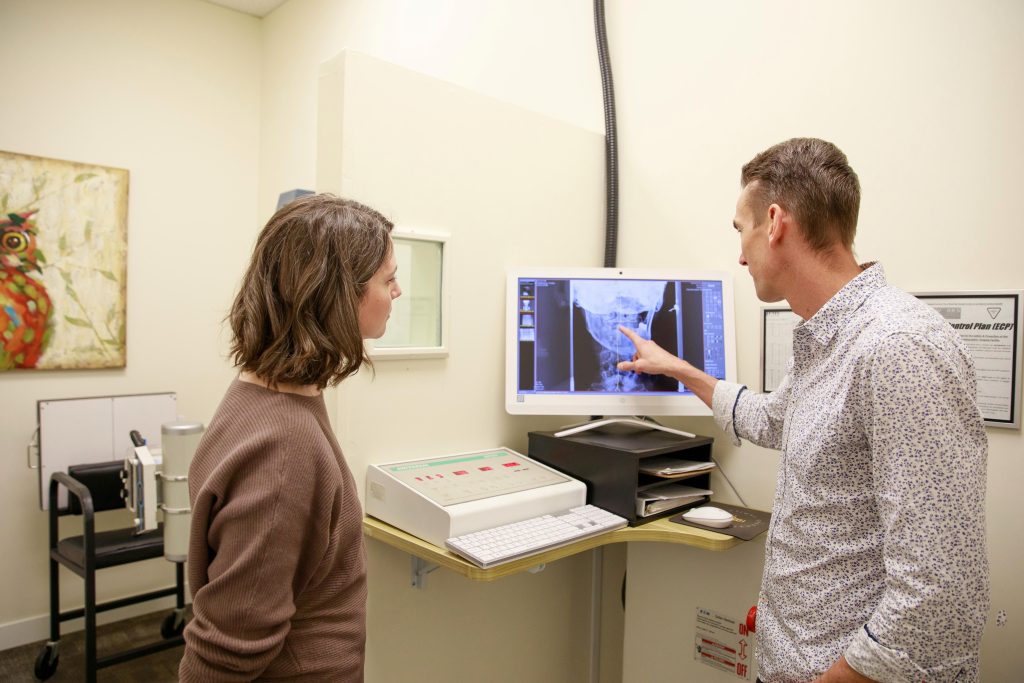
Chiropractic Care begins with understanding how your spine, nervous system, muscles, posture, and movement interact. The goal is not only finding where symptoms appear. It is exploring why movement has changed.
After medical screening, this service may complement a wider plan. Assessment may consider mobility, coordination, muscle control, and movement confidence.
Functional goals may include safer turning or steadier walking. You may also track work tolerance and sleep positions. These goals can reveal progress that a symptom score misses.
Care should support education, self-management, and long-term resilience. It should not create fear or dependence.
Where Acupuncture Kelowna May Fit

Acupuncture Kelowna may also complement broader care after proper screening. A registered acupuncturist should review your history, current changes, and goals.
Some people explore acupuncture alongside movement-based care. A practitioner may consider muscle tone, sleep, stress, movement limits, and functional goals. Results vary, and no single approach suits everyone.
The clinic’s acupuncture service uses functional benchmarks and includes experience with motor vehicle injuries. It may be coordinated with other care when clinically appropriate.
Before exploring Acupuncture Kelowna, ask how it supports your goals. Discuss medicines, pregnancy, skin concerns, or needle anxiety.
Practical Steps During the First Few Days
The first days often bring difficult choices. Should you rest, work, drive, or keep moving? Your medical findings should guide those decisions.
Online advice cannot account for your specific situation. Gentle activity may suit some people after screening. Forceful stretching or hard exercise may not.
Use this simple approach:
- Record changes in movement and daily function.
- Seek urgent care when red flags appear.
- Avoid forceful stretches and self-adjustments.
- Follow advice from qualified healthcare providers.
- Return to work and exercise in stages.
- Review progress through functional goals.
Sleep, stress, breathing, nutrition, and movement habits may influence recovery. Capacity often builds through small steps. Look for steady trends instead of perfect daily results.
What Should You Do Next?
A collision can affect more than your neck. Your balance, posture, sleep, movement, and nervous system may all respond.
What matters most is how your strength, movement, and confidence change over time. Seek urgent care for weakness, vision changes, confusion, poor balance, or walking problems.
Once serious concerns are cleared, a whole-person assessment may help explain why your movement changed. At LifeWorks Family Chiropractic, the focus remains on education, function, and informed choices.
The better question is not only, “When will this stop?” Ask, “What does my body need to move, adapt, and function well again?”
FAQs
How long can neck symptoms last after a car accident?
It varies. The impact, health history, sleep, stress, and daily demands may all affect recovery. Focus on gradual changes in movement and activity tolerance.
Can neck symptoms appear days later?
Yes. Stiffness, headaches, or reduced movement may appear later. Track new changes and discuss them with a healthcare provider.
When should I seek urgent care?
Get urgent help for weakness, confusion, fainting, vision changes, walking problems, or bladder and bowel changes.
Can chiropractic care support recovery after a collision?
After medical concerns are assessed, chiropractic care may complement a wider plan. The focus should remain on movement, function, education, and informed self-management.