


People often ask us howHow to decompress the spine. It is best done through gentle movement, daily posture changes, stress reduction, and guided care like spinal decompression therapy that supports how your spine and nervous system functions.
You might feel tight after a long day. Maybe your back feels heavy when you stand up. It is not always sharp. It is more like a constant pressure that never fully leaves.
That feeling is more common than you think.
Let’s walk through what is really happening and what actually helps.
How to Decompress the Spine (Quick Answer)
If you want a simple starting point, here are the most effective ways:
- Gentle stretching with slow breathing
- Changing posture throughout the day
- Short movement breaks every 30–45 minutes
- Reducing daily physical and mental stress
- Guided Spinal Decompression Therapy
These methods work best when done consistently, not aggressively.
Why Your Spine Feels Compressed in the First Place
Your body is designed to adapt, heal, and regulate itself.
This is guided by Innate Intelligence, the internal system that controls how your body functions. Your nervous system carries that communication throughout your body.
But stress builds.
Not just from lifting or sitting. Also from:
- long work hours
- mental pressure
- repetitive habits
Over time, this creates interference within the nervous system, known as subluxation.
When that happens, your body still adapts. But it does so with limitations.
You may feel:
- tightness after sitting
- stiffness in the morning
- a sense of pressure in your back
Most people think this is normal. But often, it is your body working harder than it should.
What It Really Means to Decompress the Spine
Most people think decompression means stretching harder or cracking their back.
But real decompression is not about force.
It is about:
- reducing stress on the spine
- supporting better communication in the nervous system
- allowing your body to move naturally again
At LifeWorks Family Chiropractic, the focus is not just on the spine itself. It is on how your body functions as a whole.
That shift changes everything.
5 Powerful Ways to Decompress Spine Naturally
1. Spinal Decompression Therapy (Professional Support)

One of the most effective methods is Spinal Decompression Therapy.
This uses slow, controlled movement to gently reduce pressure within the spine.An advanced, computer-controlled motorized table applies slow, precisely calibrated movements to help decompress and relieve pressure within the spine.
It does not feel aggressive. In fact, many people describe it as calm and relaxing.
It helps:
- reduce compression and bulging in spinal discs
- Ssupports proper nerve communication
- Promotes nutrient-rich fluid flow to heal damaged areas.allow the body to function with less strain
At LifeWorks, this is part of a larger process focused on restoring function, not chasing symptoms.
2. Specific Chiropractic Adjustments
Nerve-focused chiropractors are the only professionals trained to detect and reduce interference within the nervous system.
Adjustments are not about quick relief. They are about helping your body communicate clearly.
When interference is reduced:
- your body adapts better
- movement feels easier
- tension decreases over time
You may not notice a dramatic change overnight. But small shifts begin to add up.
3. Daily Movement Habits
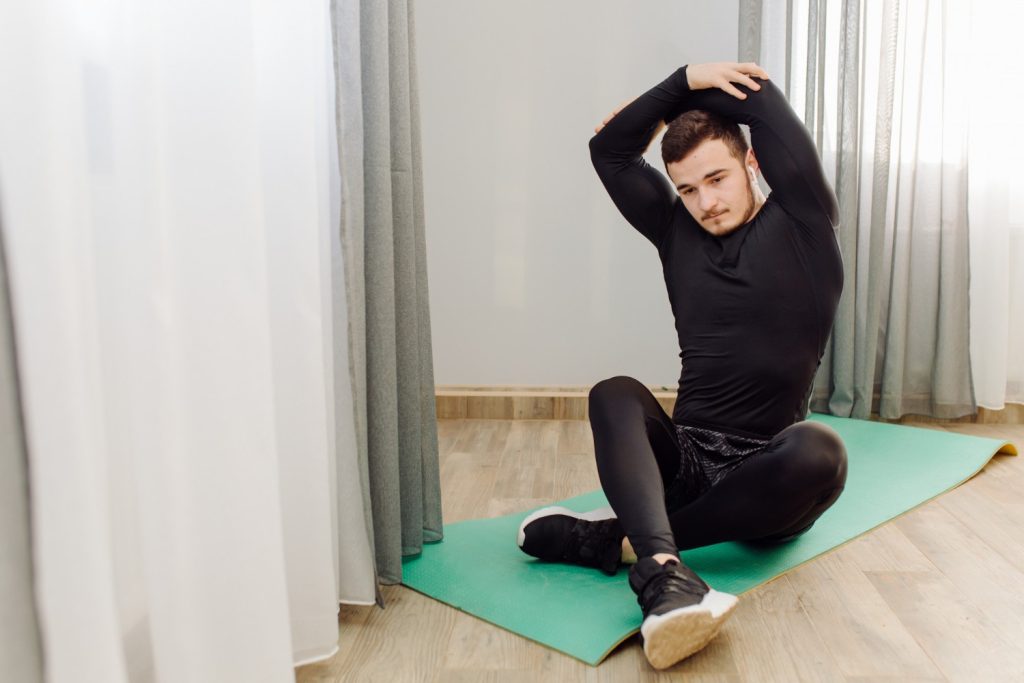
Think about your day.
You sit, you stand, you look at screens. These patterns shape your spine.
Simple changes make a difference:
- stand up every 30 to 45 minutes
- shift your posture often
- keep your head aligned with your body
- Exercise and stretch for 15 mins a day
These habits reduce constant pressure on your spine.
4. Gentle Stretching Techniques

Stretching helps when done with control.
Not fast. Not forceful.
Try this simple routine:
- hold each stretch for 20–30 seconds
- breathe slowly
- repeat 2–3 times
This supports your body’s ability to adapt instead of forcing it.
5. Reduce Your Daily Stress Load
This is often ignored.
Your spine is affected by more than movement. Stress plays a role.
Ask yourself:
- Are you sleeping well?
- Are you constantly tense?
- Do you take time to reset?
Sometimes, decompression starts by doing less, not more.
At-Home vs Professional Spinal Decompression
Here is how they compare:
| At Home | Professional |
| Stretching and posture changes | Guided spinal decompression |
| Helpful for daily maintenance | Deeper support for function |
| Limited effect over time | Personalized and structured care |
Both matter. But together, they create better results.
When Should You Consider Professional Help?
You might wonder if you actually need support.
Here are signs to consider:
- tightness that keeps coming back
- reduced movement over time
- constant feeling of pressure
- your body feels “off” daily
If you notice these patterns, your body may be adapting with limitations.
What to Expect From Spinal Decompression Therapy
With Spinal Decompression Therapy, sessions are calm and controlled.
There is no sudden force.
Most people experience:
- gentle, steady movement
- a relaxed feeling during sessions
- gradual changes over time
At LifeWorks Family Chiropractic, care is always personalized. It is not built on a fixed timeline or a one-size-fits-all plan. Instead, it is guided by how your body responds to each adjustment and phase of care.
Every visit is based on your progress, comfort, and specific needs. As your spine begins to decompress and function improves, your care plan is adjusted accordingly. This approach ensures you receive the right level of support at the right time, helping you achieve lasting relief and better overall spinal health.
Can You Decompress Spine Daily?
Yes, but it depends on how you do it.
Daily habits like:
- movement
- posture changes
- light stretching
These are activities that can be done every day.
More structured care like spinal decompression therapy is guided by your provider.
Consistency matters more than intensity.
Real Questions People Ask
You might still be thinking:
- “Can I fix this just by stretching?”
- “Is this something I need to worry about now?”
- “Will this actually make a difference?”
These are normal questions.
From what we see, the biggest shifts happen when people stop focusing only on symptoms and start looking at how their body functions.
A Simple Daily Spine Reset (Try This)
If you want something practical, start here:
- 30 seconds gentle stretch
- 30 seconds slow breathing
- posture reset
- short walk
Do this 2–3 times a day.
It is simple. But over time, it supports how your body adapts.
Bringing It Back to You
How to decompress the spine is not about doing more aggressive stretches.
It is about reducing interference so your body can function the way it was designed to.
You can change your habits. You can move more. You can explore guided care.
But the deeper question is this.
If your body already knows how to adapt and regulate itself, what might change if that system was no longer working under constant stress?