

The right spinal stenosis exercises can support walking, strength, balance, and better daily function. You do not need hard workouts to make useful progress. Your goal is simple: move with more control. Small, steady steps often fit real life better.
Maybe shopping now needs more rest stops. You may wonder whether movement will help. For many people, the better question is how to move safely. That shift can make exercise feel less daunting.
This guide focuses on lumbar spinal stenosis. Cervical spinal stenosis affects your neck instead. Your plan should match your body and current function. Personal medical advice still matters before starting.
Why Exercises for Spinal Stenosis Matter
Spinal stenosis means part of your spinal canal becomes narrower. In the lower back, nearby nerves may have less space. Walking or standing can become harder for some people. Sitting or bending forward may feel easier.
Exercise does not remove the narrowing itself. It can support strength, mobility, balance, and general function. Regular activity is often part of conservative care. Your health professional can help choose safe movements.
Think about what better function means personally. Maybe you want longer walks with family. You may want steadier turns at home. Those goals matter more than perfect exercise form.
Before You Start Moving
Your age alone does not decide your plan. Balance, weakness, health history, and nerve signs also matter. Start with movements that feel controlled and manageable. Build slowly as your confidence improves.
Seek prompt care for serious neurological changes. New weakness or major walking changes need assessment. Bowel, bladder, or groin sensation changes need urgent care. Do not exercise through those warning signs.
Which Exercise Fits Your Goal?
The best exercises for spinal stenosis should match your real goals. You do not need every movement daily. Pick useful options and stay consistent. Then review progress with your health professional.
| Your goal | A useful option |
| Lower-back control | Pelvic tilt |
| Gentle flexion | Knee-to-chest |
| Seated mobility | Seated forward bend |
| Leg strength | Sit-to-stand |
| Walking support | Hip abduction |
| Balance | Tandem standing |
| Endurance | Stationary cycling |
1. Pelvic Tilt for Core Control
A pelvic tilt gives you gentle lower-back movement. It also asks your core muscles to work lightly. That makes it a useful starting point. Your range can stay small and controlled.
Lie down with both knees comfortably bent. Tighten your stomach and flatten your lower back gently. Hold briefly, then let everything relax. Keep your breathing easy throughout the movement.
Make it easier:
- Try the movement on a firm bed.
- Use a smaller range at first.
- Stop before the motion feels forced.
2. Knee-to-Chest for Gentle Flexion
Many people with lumbar stenosis prefer some forward bending. This position can create more space within parts of the lumbar canal. A knee-to-chest movement adds gentle flexion. You should never need to pull hard.
Lie down with both knees bent comfortably. Bring one knee toward your chest slowly. Guide it gently with your hands. Lower it, then switch sides.
Keep it simple:
- Use a towel behind your thigh.
- Keep the other foot supported.
- Choose a comfortable range.
Knee-to-chest movements also appear in NHS lumbar stenosis guidance.
3. Seated Forward Bend for Mobility
Floor exercises do not suit everyone. A seated forward bend gives you another option. You can control the range with ease. A firm chair keeps the setup simple.
Sit with both feet on the floor. Lean forward slowly toward your thighs. Pause while keeping your breathing relaxed. Return upright with steady control.
You do not need a deep bend. Your goal is smooth, repeatable movement. Start smaller than you think you need. Then see how your body responds.
4. Sit-to-Stand for Everyday Strength
You already use this movement every day. You stand from chairs, cars, and sofas often. Stronger legs can support those daily tasks. This makes the exercise very practical.
Sit near the front of a sturdy chair. Keep both feet secure on the floor. Lean forward slightly and stand with control. Sit down slowly instead of dropping backward.
Make it fit your level:
- Use your hands when needed.
- Start with a higher chair.
- Reduce hand support as strength improves.
Does standing from dinner feel easier lately? That answer matters more than repetition counts. Your daily function should guide progress. Small gains can matter most.
5. Standing Hip Abduction for Walking Support
Your hip muscles help steady your pelvis while walking. They also support balance between each step. Stronger hips can support everyday movement. This drill needs very little equipment.
Stand beside a firm kitchen counter. Hold it if you need support. Move one leg slowly toward the side. Bring it back without swinging.
Make it safer:
- Keep both hands close to support.
- Use a small range first.
- Keep your upper body steady.
6. Supported Tandem Standing for Balance
Balance matters when turns start feeling uncertain. You do not need fancy equipment here. A kitchen counter works well for support. Your safety comes before added difficulty.
Stand beside the counter and look ahead. Place one foot partly before the other. Hold the position while staying steady. Widen your stance when needed.
You are training control, not tightrope skills. Keep one hand close to support. Stop if you feel unsafe. NHS lumbar stenosis guidance also includes tandem balance work.
7. Stationary Cycling for Endurance
Walking matters, but cycling offers another option. Some people prefer a forward position with lumbar stenosis. Start with low resistance and short sessions. Build only when that feels manageable.
You do not need expensive equipment immediately. Try a bike at your local gym. See how your body responds afterward. Then decide whether cycling suits you.
Walking or Cycling: Which Works Better?
There is no universal winner here. Walking supports tasks you perform every day. Cycling can build endurance with less standing. Your best plan may include both.
Try shorter walks if long outings feel difficult. Planned rest breaks can make activity manageable. Consistency matters more than one long session. Could you reasonably repeat it tomorrow?
How Your Nervous System Fits In
Spinal stenosis involves more than muscles alone. Spinal nerves carry messages between your brain and body. Those signals support movement, sensation, and coordination. Nerve function therefore belongs in this conversation.
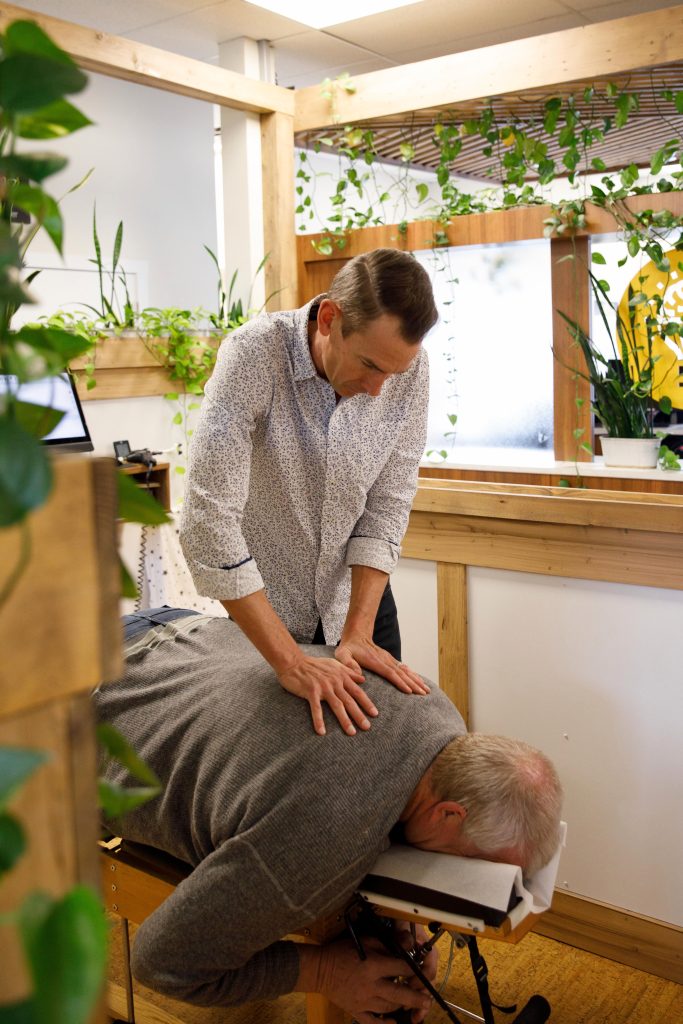
At LifeWorks Family Chiropractic, Chiropractic Care looks beyond one stiff area. Care focuses on spinal balance and nervous system communication. The goal is better adaptation and overall function. Pain relief is not the primary goal.
LifeWorks may use computerized nervous system scans during assessment. Spinal evaluation and X-rays may also be appropriate. These findings can guide an individual care plan.
When Exercise Is Not the Whole Picture
You may move often and still feel limited. That does not mean your effort failed. Your situation may need a fuller assessment. A scan alone should not decide everything.
LifeWorks also offers a Neuro-Spinal Decompression Program for significant spinal concerns. The program can include SpineMED sessions, exercise, home care, and ergonomic coaching. Its purpose differs from Chiropractic Care. It may be used with or without chiropractic care.
That distinction matters for spinal stenosis. Your walking ability, nerve function, goals, and health history all matter. A structured assessment can help guide choices. There is no one-size-fits-all plan.
What Does Useful Progress Look Like?
Useful progress should show up in real life. You may stand from chairs with better control. Walking may feel steadier over time. You might return to a missed hobby.
Track changes that matter personally:
- Walking distance during normal outings
- Confidence while turning or changing direction
- Ease when standing from a chair
- Time spent on hobbies or family activities
- Weekly movement you can repeat comfortably
At our Chiropractic Care we keep that wider function in view. The focus remains brain-body communication and better adaptation. Symptom changes may happen as function changes. They should not become the only measure.
FAQs
What are good lumbar spinal stenosis exercises?
Useful lumbar spinal stenosis exercises include pelvic tilts and sit-to-stands. Hip work and balance drills may also help. Cycling can support low-impact endurance. Your plan should match your ability.
Is walking good for spinal stenosis?
Walking can support daily activity and endurance. Shorter walks may work better initially. Planned breaks can make activity manageable. Personal guidance can support safe progress.
Can exercise reverse spinal stenosis?
Exercise does not reverse spinal canal narrowing. It can support movement, strength, and balance. Those gains can support daily function. Progress should focus on useful goals.
When should you stop exercising?
Stop and seek guidance for major neurological changes. New weakness or walking changes need assessment. Bowel or bladder changes need urgent care. Groin numbness also needs prompt review.
The most useful lumbar spinal stenosis exercises should serve your real life. What would be a better function to help you enjoy it again?