


The best sleeping position for back pain supports spinal alignment and nervous system recovery. It helps your body rest without fighting itself all night.
Sleep matters more than most people realize. You spend hours in one position every night. If that position works against your spine, your body often notices by morning.
At LifeWorks, we look beyond comfort alone. Sleep position matters because it affects movement, posture, and overnight adaptation. Better alignment gives your body a better chance to recover well.
If you wake up stiff, twisted, or tired, your sleep setup may be part of the problem. Small changes can help more than you expect.
Why Sleep Position Matters
Your spine likes balance. It works best when your head, ribs, and pelvis stay aligned. When the sleep position pulls those parts out of line, your body has to compensate.
That compensation does not stay quiet. It can change how your muscles rest. It can also affect how your nervous system organizes movement overnight.
The best sleeping position for back pain is not the same for everyone. Still, one goal stays the same. Support neutral spinal alignment as much as possible. That gives your body a cleaner path toward recovery.
At our Chiropractic care, we see this often. People do many things right during the day. Then they lose that progress at night. Sleep posture becomes a hidden stressor.
Why Your Nervous System Works While You Sleep
Sleep is not passive. Your body is still doing important work. Your nervous system keeps organizing, repairing, and adapting while you rest.
That means your sleep position matters more than comfort alone. A better setup helps your body maintain stable alignment overnight. It also supports cleaner communication between the brain, spine, and muscles.
When alignment improves, movement often feels easier the next day. That is not magic. It is a better function. Your body spends less energy correcting poor positions.
This is why sleep posture matters so much. Good sleep is not only about rest. It is about giving your body the best chance to adapt.
1. Sleep On Your Side With Support
Side sleeping is often a strong option. It can help keep your spine in a more neutral line. But it works best with proper support.
Place a pillow between your knees. That helps keep your hips from dropping and twisting your lower back. If your shoulder rolls forward, hug a pillow too.
A good side-sleep setup should feel steady, not cramped. If you wake up twisted like a pretzel, something needs adjusting.
Helpful side-sleep tips:
- Keep your head level with your spine.
- Use a pillow that fills the shoulder gap.
- Place a pillow between your knees.
- Avoid curling too tightly into a ball.
This position often supports healthier spinal alignment through the night. It also helps your nervous system stay more organized while you sleep.
2. Sleep On Your Back With Knee Support
Back sleeping can work very well for spinal function. It spreads your weight more evenly across the body. That often helps the spine stay more balanced.
The key is support. If your lower back arches too much, place a pillow under your knees. That helps maintain a more neutral spinal position overnight.
Your head pillow matters too. If it pushes your chin forward, your neck may feel strained by morning. A flatter pillow or a roll to support your neck often works better here.
This setup can support better alignment through the night. It also helps your nervous system work without extra compensation.
3. Avoid Stomach Sleeping When Possible
Stomach sleeping usually puts the spine in a less neutral position. It also keeps the neck turned for long periods. That makes healthy movement and overnight adaptation harder.
Some people still prefer it. Habits can be hard to break. But if you wake up stiff often, this position may be part of the issue.
You do not need to change everything at once. Start by reducing stomach time. Then slowly shift toward the side or back sleeping when possible.
A better sleep position should feel stable and supportive. If you keep waking up tight, stomach sleeping may not be giving your spine what it needs.
4. Match Your Pillow To Your Body
Your pillow matters more than many people think. A pillow that is too high or too flat can throw off alignment. That affects how your spine rests all night.
Side sleepers usually need a fuller pillow. Back sleepers often need a lower one. The goal is simple. Keep your head in line with your body.
If your pillow collapses too fast, it may stop supporting alignment halfway through the night. That is one reason people wake up feeling off.
Think of your pillow as part of your spinal support system. It should help maintain healthy alignment, not fight against it. The right pillow can make a huge difference.
What Else Supports Spinal Function
Sleep position is only one piece of the puzzle. Your daytime habits matter too. Long sitting, poor movement, and stress can all affect how your body settles at night.
That is where Chiropractic Care in Kelowna can help. At LifeWorks Family Chiropractic, the focus is on how the nervous system, spine, and movement work together. That broader view helps explain why sleep changes alone are not always enough.
Frequent movement helps your nervous system stay adaptable during the day. That matters because your body carries daytime patterns into the night.
Helpful daily habits include:
- Taking short movement breaks.
- Avoiding long periods of slouching.
- Staying active throughout the day.
- Drinking enough water.
- Using a sleep setup that feels stable.
These habits support better spinal function before your head even hits the pillow.
When Sleep Changes Are Not Enough
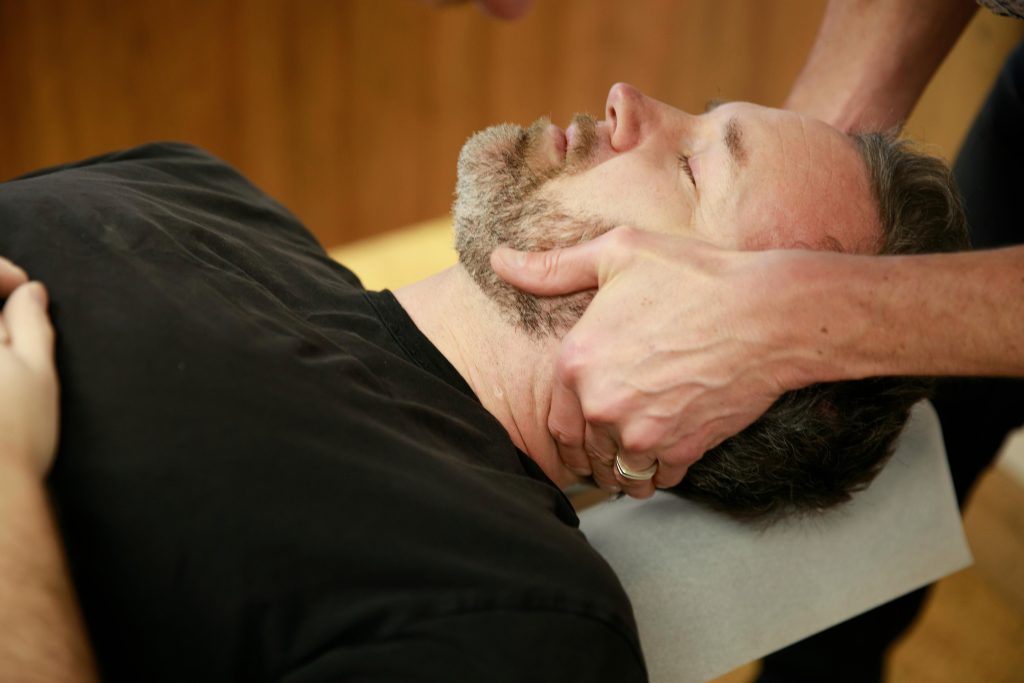
Sometimes the sleep position is only part of the picture. You may do many things right and still wake up stiff. That can happen when your spine is already under stress.
If recurring stiffness keeps showing up, it may be time to look deeper. A good sleep setup helps, but it does not replace a proper evaluation. That matters when your body keeps showing the same pattern.
This is one reason people explore Chiropractic Care. The focus is not just comfort. It is understanding how your body is moving and adapting. That can reveal why certain positions keep feeling wrong.
At LifeWorks Family Chiropractic, we often look at the whole picture. Sleep posture, movement habits, and daily strain all matter. When those pieces work together, the body often functions better.
How Healthy Sleep Habits Support Everyday Function
Better sleep is about more than feeling rested. It is about helping your body move well and adapt well. When alignment improves, the whole day can feel easier.
You may notice:
- Better movement.
- Improved posture.
- More consistent energy.
- Greater resilience.
- Increased daily confidence.
These changes matter because they affect real life. They shape how you move, work, and live each day.
The best sleeping position for back pain is the one that supports your spine and nervous system together. That is the goal. Not perfect sleep. Better function.
If you keep waking with stiffness or poor movement, the question may be bigger than sleep alone. What would your mornings feel like if your spine finally got the support it needs all night?
FAQs
1. What is the best sleeping position for back pain?
The best sleeping position for back pain is the one that supports neutral spinal alignment. Side sleeping with a pillow between your knees or back sleeping with a pillow under your knees often helps maintain better posture overnight.
2. Can my sleeping position affect my spinal function?
Yes. Your sleeping position can influence spinal alignment, posture, and how your nervous system supports movement while you rest. Good alignment may help your body adapt more effectively overnight.
3. Why do I wake up with back stiffness every morning?
Morning stiffness can have several causes, including poor sleep posture, reduced movement, muscle tension, or changes in spinal function. If the pattern keeps returning, it may be worth looking beyond your sleep position alone.
4. Can Chiropractic Care help if I keep waking up stiff?
At Our Chiropractic Care in Kelowna we focus on how your spine, nervous system, and movement work together. If recurring morning stiffness continues despite improving your sleep setup, an assessment may help identify factors affecting your body’s ability to adapt and function well.