

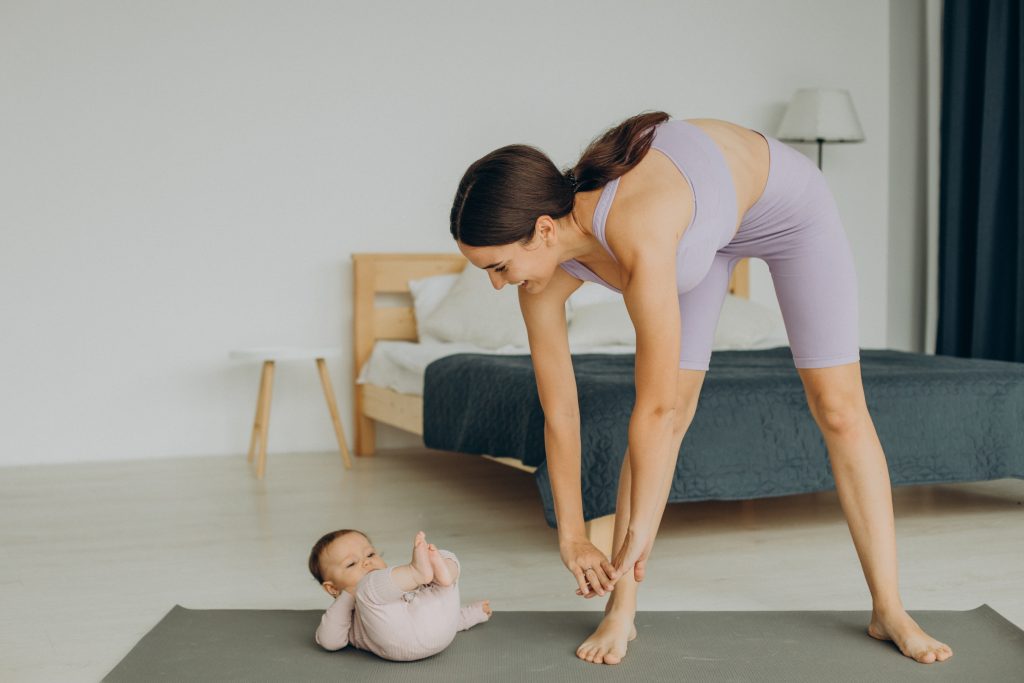
Postpartum back pain can continue after birth because pregnancy changes do not end when your baby arrives. Your body needs time to adjust after pregnancy and delivery. Your posture may still feel different, while your abdominal muscles and supporting tissues recover.
Then comes newborn care. You may spend hours feeding, lifting, carrying, bending, and sitting. None of these tasks seems major on its own. Together, they can place repeated demands on your back.
So why does your back still feel different after delivery? The answer is rarely one single factor. Pregnancy-related changes, birth, posture, muscle function, and daily activity can all play a role. Understanding these factors gives you a clearer picture of what may be happening. It also helps you recognize when your symptoms deserve a closer look.
1. Postpartum Back Pain Can Reflect Changes From Pregnancy
Pregnancy places new demands on your spine and supporting muscles. Your growing uterus changes your center of gravity and can affect posture. Hormonal changes can also affect ligaments and joints during pregnancy.
Those changes do not instantly disappear after delivery. Your body begins recovering after birth, but recovery takes time. Some muscles and tissues may still be adjusting during the early postpartum period.
Cleveland Clinic describes the postpartum period as beginning immediately after childbirth. The first six to eight weeks are often called the postpartum period, although some physical changes can last much longer.
That matters when you notice back symptoms.
You may expect your body to feel normal once your baby is born. Instead, you may notice that certain movements still feel unfamiliar. For example, standing for a long feed may feel different. Getting up from the floor may also require more effort than expected.
These changes do not automatically mean something is wrong. They can reflect the ongoing transition from pregnancy to life after birth.
2. Your Newborn Routine Can Put Repeated Demands on Your Back
Newborn care adds a new set of physical tasks to your day. You may feed your baby several times each day. You may carry them from room to room. You may bend over a crib, lift a car seat, or spend long periods sitting.
Each task seems small. The repeated pattern is what matters. Research discussed by Spine-health links postpartum back symptoms with activities such as walking, lifting, bending, and carrying a new baby.
Consider a typical morning. You lift your baby from the crib. Then you sit for a feed. You stand and carry them downstairs. Later, you bend over to change a diaper. By the end of the day, your back has handled the same types of movement again and again.
That can make certain symptoms easier to notice. You may even ask, “Why does my back feel fine early in the day, then become more noticeable later?” The answer may involve the total load from your daily routine rather than one isolated movement.
3. Feeding Positions Can Change How Your Back Works
Feeding your baby can involve long periods in one position. Whether you breastfeed or bottle-feed, you may spend a lot of time seated. You may lean forward, look down, or hold your baby close for extended periods.
The position itself is not necessarily a problem. The issue is repetition. If you spend several hours each day in a similar posture, your back and neck may experience sustained demands. You may also change your position without realizing it because you are focused on your baby.
This is where simple awareness can help. Notice how you sit during a feed. Notice whether you tend to lean forward. Pay attention to how you stand after sitting for a while.
You can also consider what happens afterward. Does your back feel different after feeding? Does standing feel stiff? Does carrying your baby change the way you walk? These observations give you useful information about your movement habits. They are more helpful than assuming one posture is responsible for every symptom.
4. Pregnancy-Related Movement Changes Can Continue After Delivery
Your body does not immediately return to its pre-pregnancy movement pattern. Pregnancy can change your posture, balance, and center of gravity. Your abdominal muscles also stretch during pregnancy. These factors can influence how your back and pelvis handle movement.
Delivery can add another layer. The type of birth may also play a role in postpartum symptoms. Spine-health notes that vaginal, instrumental, and cesarean deliveries can have different physical effects. This does not mean your delivery caused your back symptoms.
It means your postpartum experience can have several contributing factors. You may notice this when doing tasks that were easy before pregnancy. Getting up from the floor may feel different. Carrying your baby on one side may change your posture. Walking while holding your baby may also feel unfamiliar.
Ask yourself: “What feels different now compared with before pregnancy?” That question can be more useful than focusing only on where you feel the symptom.
5. The Pattern of Your Symptoms Matters
Not all back symptoms look the same. Some symptoms appear during specific movements. Others develop gradually after a busy day. Some may stay present even when you rest. The pattern can provide useful context.
Pay attention to four simple details:
- Location: Where do you notice the symptom?
- Activity: What were you doing before it appeared?
- Duration: How long does it last?
- Function: Does it affect walking, lifting, feeding, or sleep?
For example, a symptom that appears after repeated lifting may follow a different pattern from one that begins without an obvious trigger. Your symptoms may also change as your routine changes.
That is worth noting. You do not need to track every sensation throughout the day. A few clear observations can give your healthcare provider better information. This approach also helps avoid one common mistake. Do not assume that every postpartum symptom has the same cause.
Back symptoms can come from muscles, joints, the spine, or other structures. Some symptoms can also reflect conditions outside the musculoskeletal system.
6. Some Postpartum Back Symptoms Need Medical Assessment
Most postpartum symptoms are not emergencies. Still, some changes should not be ignored. Cleveland Clinic advises contacting your healthcare provider about new pain or pain that becomes worse after delivery. It also lists symptoms such as fever, heavy bleeding, leg pain with swelling, and problems around a C-section incision as reasons to seek medical care.
Back symptoms also deserve prompt attention when they involve neurological changes.
Seek medical advice if you notice:
- New or worsening weakness
- Significant numbness
- Trouble walking or balancing
- Loss of bladder or bowel control
- Severe or rapidly worsening symptoms
- Fever with significant back pain
These signs need a proper assessment rather than an assumption about the cause. The same applies when symptoms continue and interfere with normal life. You have enough to manage with a newborn. If your back is affecting your ability to walk, feed, lift, sleep, or care for your baby, mention it to your healthcare provider.
What Does Postpartum Movement Really Look Like?
Postpartum care is not only about recovery from birth. It is also about learning how your body handles a very different daily routine. Before your baby arrived, you may not have spent hours carrying an infant. You probably did not lift a car seat repeatedly or feed in the same position several times each day.
Now you do. Your spine, pelvis, hips, and muscles have to coordinate these tasks throughout the day. That is why looking at movement can add useful context.
At LifeWorks Family Chiropractic, care considers spinal function, muscular balance, and nervous system communication. The clinic also describes its chiropractic approach as individualized to each person’s needs.
A broader assessment can look at how you move rather than focusing only on the spot that feels uncomfortable. That distinction matters. Your back is part of a larger movement system. Your posture, hips, pelvis, and daily habits can all influence how you move.
Looking for Support With Postpartum Movement Changes?
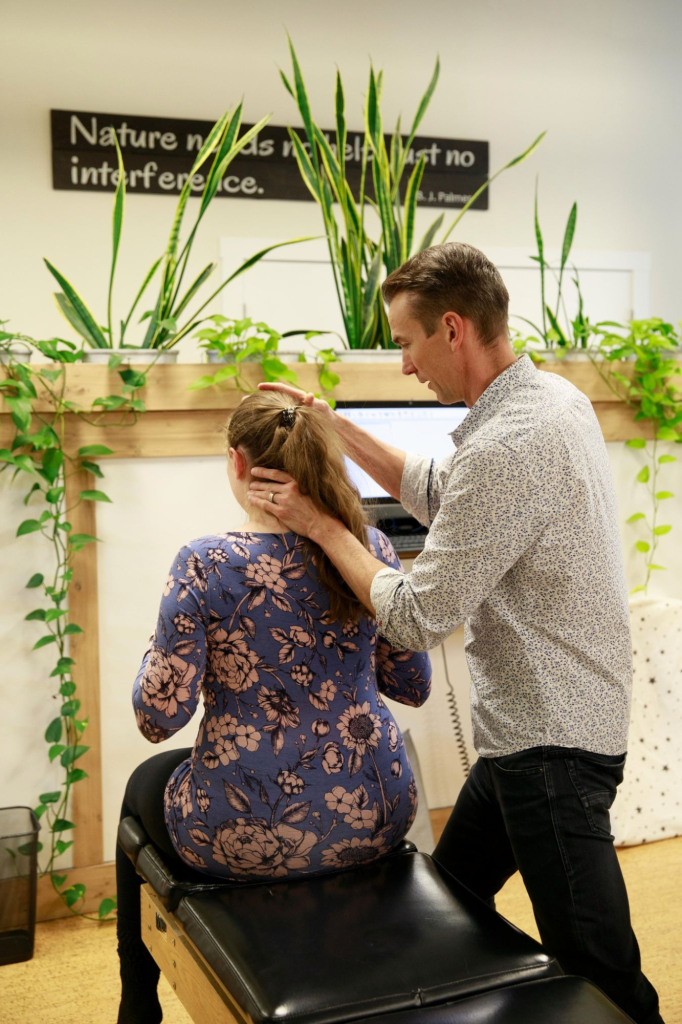
If you are noticing changes after pregnancy, LifeWorks Family Chiropractic offers chiropractic services that can be considered as part of a broader care plan.
Its Chiropractic Care service uses different adjustment techniques based on individual needs.
For people who are still within the pregnancy period, LifeWorks also provides Pregnancy Chiropractic Kelowna. This service focuses on pregnancy-related physical changes and individualized care.
Postpartum care should still work alongside your medical care. A chiropractor does not replace your physician, midwife, physiotherapist, or other healthcare provider. If your symptoms are severe, unusual, or linked with warning signs, seek appropriate medical assessment. The useful starting point is understanding what has changed.
Then you can decide whether additional support makes sense for your situation.
What Should You Remember About Postpartum Back Pain?
Your back can feel different after pregnancy for several reasons. Pregnancy changes your posture and center of gravity. Your muscles and supporting tissues also experience new demands. After delivery, newborn care adds repeated lifting, carrying, bending, and feeding positions.
The main points are simple:
- Pregnancy-related changes can continue after birth.
- Newborn care adds repeated physical demands.
- Feeding positions can affect your daily movement habits.
- Your delivery experience may influence your recovery.
- Symptom patterns can provide useful information.
- Severe or unusual symptoms need medical assessment.
You do not need to blame yourself for these changes. You also do not need to assume that every symptom is simply part of having a baby. Instead, look at the pattern. What changed, when did it start, and which daily tasks make it more noticeable?
When should I speak with my healthcare provider?
Speak with your provider when symptoms are severe, worsening, persistent, or affecting normal activities. Seek prompt care when back symptoms occur with weakness, significant numbness, fever, bladder or bowel changes, or other concerning signs.
Your body has gone through pregnancy, birth, and a major change in daily routine. If your back still feels different, the better question may be not simply where it hurts, but what has changed in the way you move?
Frequently Asked Questions
Is back pain normal after giving birth?
Back symptoms can occur after pregnancy and delivery. Pregnancy-related musculoskeletal changes can persist after birth, while newborn care can add new physical demands.
Why does my back hurt after breastfeeding?
Feeding often involves sitting or holding one position for extended periods. Repeated forward leaning or sustained positions may add physical demands to your back and neck.
Can pregnancy cause back pain after delivery?
Yes. Pregnancy can change posture, center of gravity, abdominal muscle function, and the way your body handles movement. Some of these changes can continue after delivery.
Can a C-section affect postpartum back symptoms?
A C-section can be part of the overall postpartum recovery process. However, back symptoms can have several causes, so the delivery method alone does not establish the cause.
How long can postpartum back symptoms last?
Recovery varies between people. Some symptoms improve during the postpartum period, while others can persist longer. Persistent symptoms should be discussed with an appropriate healthcare professional.