

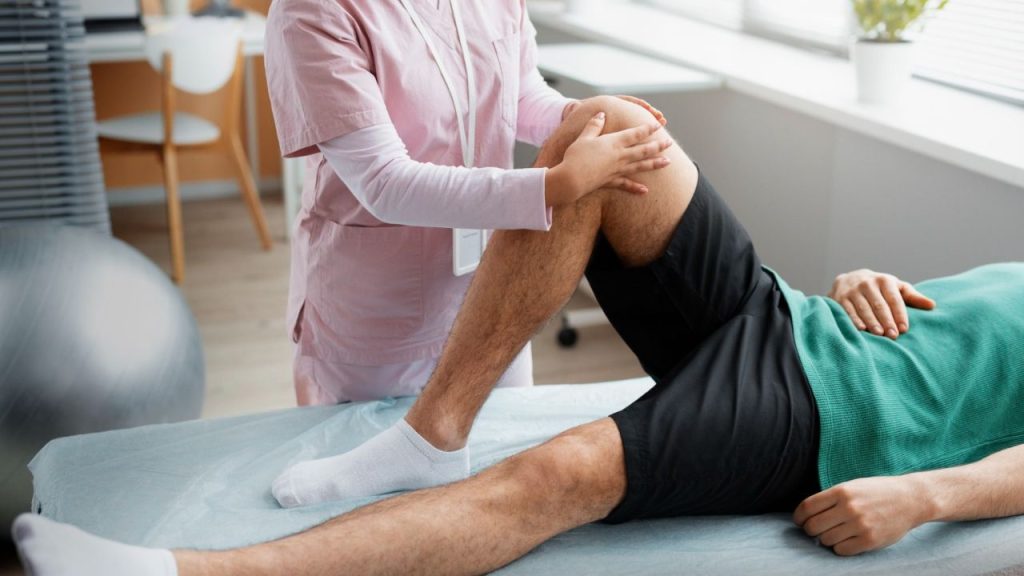
Knee valgus happens when your knees move inward during movement. Improving stability starts with better coordination, not forcing knees outward. You may have noticed this before. Stand in front of a mirror and bend your knees. They drift inward slightly.
It may not feel serious at first. But something about it feels off. That small shift can affect how your body moves daily.
Let’s break this down clearly so you understand what helps.
What Is Knee Valgus? Quick Answer
Knee valgus is inward knee movement, often called knock knees. It happens when your body cannot coordinate movement efficiently. This is not just a knee problem. It reflects how your body adapts under stress.
When nervous system communication is unclear, movement patterns begin to change.
Your Body Is Designed to Adapt and Self-Regulate
Your body is more capable than you may think. It is built to maintain balance and adapt to stress.
It is also designed to heal over time. This process is guided by innate intelligence. It is your body’s internal control system.
At the center is your nervous system. It constantly sends signals between your brain and body.
When communication is clear, movement feels natural. Your joints stay stable and your muscles work together. Your body responds the way it should.
But daily life has a way of adding stress. Not just physical strain, but also:
- emotional pressure from work and responsibilities
- chemical stress from your environment and lifestyle
Over time, these stressors can begin to interfere with how your nervous system communicates. In chiropractic care, this is known as a Vertebral Subluxation Complex. When this interference is present, the body may start to compensate. Movements change, stability decreases, and patterns like knee valgus can begin to develop not simply from weak muscles, but from reduced coordination and control.
This is where a more complete approach can make a difference. Rather than only focusing on the visible movement issue, chiropractic care looks at how well your body is communicating and adapting overall.
At LifeWorks Family Chiropractic, the goal is to support that connection through gentle, specific adjustments that help restore proper function.
As communication improves, many people notice better balance, smoother movement, and a stronger sense of control in their body. It becomes less about “fixing” one area and more about helping the body work the way it was designed to naturally and efficiently.
5 Signs Your Knees May Be Falling Inward
Most people do not notice this right away.
But your body gives clues.
You might notice:
- your knees touch when standing relaxed
- your knees move inward during squats
- one side feels less stable
- stairs feel awkward
- balance feels slightly off
Try this.
Stand in front of a mirror and slowly bend your knees. Watch closely. Do they stay aligned or drift inward?
That one moment can tell you a lot about how your body is functioning.
Why Knee Valgus Happens in the First Place
It is easy to think this starts at the knee.
But your body works as one system.
When there is interference in the nervous system:
- muscles do not activate at the right time
- coordination becomes less efficient
- the body compensates to stay stable
This is not failure. It is an adaptation.
Your body is doing its best with the information it has.
The real question becomes:
Is your body working with clear communication or adapting under interference?
Knee Valgus and the Nervous System
Movement is not controlled by muscles alone.
It is coordinated by the nervous system.
When communication is clear:
- movement feels smooth
- balance is natural
- stability is effortless
When communication is disrupted:
- movement patterns shift
- stability decreases
- compensation increases
At LifeWorks Family Chiropractic, the focus is not on fixing the knee directly.
It is on helping the nervous system communicate clearly so the body can organize movement the way it was designed to.
5 Easy Steps to Improve Knee Stability
These steps support how your body functions. They are simple, but powerful when done consistently.
1. Improve Nervous System Communication
Nerve-focused chiropractors are the ONLY professionals trained to detect and reduce interference within the nervous system.
Through Chiropractic Care, the goal is to reduce interference so your body can coordinate movement more efficiently.
As this improves:
- muscles respond more accurately
- movement becomes more stable
- your body adapts with less effort
This is not about forcing alignment. It is about restoring communication.
2. Notice and Adjust Your Movement
Awareness changes everything.
Pay attention to:
- how your knees move when walking
- what happens when you squat
- which side feels less stable
Small adjustments in daily movement can begin to shift patterns.
3. Support Coordinated Muscle Function
Your body relies on coordination, not isolated strength.
Focus on:
- slow, controlled movements
- maintaining alignment during motion
- moving with awareness
This helps your body organize movement more efficiently.
4. Improve Balance and Body Awareness
Balance reflects how well your nervous system is functioning.
Try this:
- stand on one leg for 20 seconds
- switch sides
- notice the difference
If one side feels harder, your body is compensating.
With practice, coordination improves.
5. Reduce Daily Stress on Your System
Stress affects how your body functions.
Think about:
- how long you sit
- how often you move
- how much tension you carry
Simple changes help:
- move every 30 to 45 minutes
- change positions often
- allow your body time to reset
Sometimes, stability improves when stress decreases.
Can Chiropractic Care Help Knee Valgus?
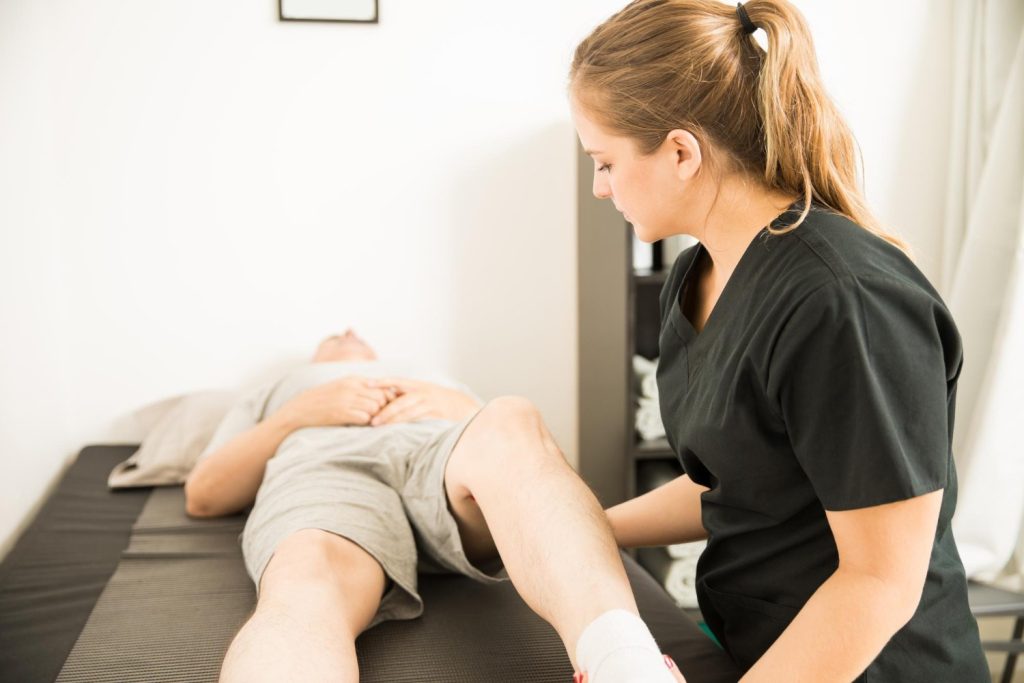
This is a common question. The answer becomes clearer when you look beyond the knee. Focusing only on the knee often misses the bigger picture. Knee valgus usually reflects how the body coordinates movement.
At LifeWorks Family Chiropractic, care focuses on improving how your body functions. This includes:
- better nervous system communication
- improved coordination of movement
- reduced interference in the system
As communication improves, the body begins to respond differently. Many people notice better stability during daily movements. Movement feels smoother and more controlled. Coordination improves without conscious effort.
These changes are not forced or temporary. They happen as the body starts functioning the way it should.
Over time, this creates a stronger foundation for movement. It supports better alignment and reduces unnecessary strain.
Rather than chasing symptoms, this approach supports long-term improvement.
Where Peripheral Neuropathy Fits In
If you have explored the Peripheral Neuropathy Program, you know how important nerve communication is.
Peripheral neuropathy affects how signals travel through the body.
When communication is altered:
- coordination decreases
- balance becomes less stable
- movement patterns like knee valgus can become more noticeable
By supporting nervous system function, the body can begin to respond more efficiently.
Many people who explore the Peripheral Neuropathy Program notice changes not only in sensation but also in how their body moves.
At-Home vs Professional Support
Here is a simple way to think about it:
| At Home | Professional Support |
| Awareness and daily habits | Nervous system-focused care |
| Balance and movement practice | Personalized guidance |
| Helps maintain progress | Helps create deeper change |
Both play a role. But together, they create better results.
Real Questions People Ask
You might be thinking:
- “Can this improve without intense workouts?”
- “Is this just how my body is built?”
- “Do I need professional support?”
These are real questions.
From what we see, the biggest shifts happen when people stop focusing only on symptoms and start understanding how their body functions.
What Most People Get Wrong
Most people try to force their knees outward.
But forcing position does not change how the body coordinates movement.
Your body does not need more force.
It needs clearer communication.
Bringing It Back to You
Knee valgus is not just about your knees moving inward.
It is about how your body is adapting to stress.
You can build awareness. You can improve movement. You can explore support through Chiropractic Care and the Peripheral Neuropathy Program.
But the deeper question is this.
If your body is designed to maintain balance and stability, what might change if that system started working without interference?