
Whiplash recovery looks different for every person. Most people improve within a few weeks. Others notice changes that last much longer. Recovery depends on how the body adapts after injury. The impact alone does not determine recovery.
Many people expect a straight recovery path. Real life is rarely that predictable. Some days feel encouraging. Others feel more challenging. This pattern often frustrates people during recovery.
One person may recover quickly after a minor collision. Another may notice stiffness for several months. Reduced movement may also continue longer. Recovery often reflects how the body adapts. The nervous system plays a key role.
At our Chiropractic care, we encourage a broader perspective. Symptoms matter, but they are only one piece. Your body communicates through movement and posture. It also communicates through energy and function. Understanding those signals supports better recovery decisions.
How Long Does Whiplash Last?
The honest answer depends on the individual. Many people improve within two to twelve weeks. Others recover more gradually. Recovery often depends on several factors working together. There is no single timeline for everyone.
Recovery may depend on:
- Injury severity
- Previous neck injuries
- Overall health
- Daily movement
- Sleep quality
- Stress levels
- Nervous system adaptation
Comparing recovery rarely helps. Your body follows its own healing timeline.
What Happens During Whiplash?
Whiplash happens when the head moves suddenly. The neck moves forward and backward rapidly. This motion stresses muscles and ligaments. It also affects joints and nearby tissues.
Many injuries are not immediately obvious. People often leave feeling mostly fine. Stiffness may appear several hours later. Reduced movement may develop days afterward.
Your nervous system protects the injured area immediately. Muscles tighten to improve stability. Movement changes to avoid irritation. These responses support early healing.
Problems arise when protection lasts too long. The body may continue moving differently. These patterns may remain during recovery.
Why The Nervous System Matters
The nervous system controls more than most people realize. It coordinates every movement you make. It regulates posture, balance, and muscle activity. It also manages stress responses.
Your brain constantly receives information from your body. It adjusts movement without conscious effort. This process happens every second. After whiplash, this system may need recalibration. Small neck changes affect body awareness. Recovery involves more than tissue healing.
The body is designed to self-heal. It is also designed to self-regulate. Healthy nervous system communication supports both. Supporting function helps restore normal movement.
Why Recovery Is Not Linear
Many people worry when symptoms return. They fear something has gone wrong. Recovery often includes natural ups and downs. One good day means little by itself. One difficult day does not stop healing. Daily life creates constant demands. These demands include:
- Long workdays
- Poor sleep
- Emotional stress
- Extended sitting
- Physical activity
- Reduced movement
Your nervous system adapts every day. It also continues supporting recovery. Some days feel easier than others. Understanding this builds confidence and patience.
Why Looking Beyond Symptoms Matters
Most people naturally focus on symptoms. Pain and stiffness deserve attention. However, they rarely tell the full story.
At LifeWorks, conversations begin differently. We first ask how well your body adapts. That question changes the conversation. It shifts attention beyond discomfort. Movement quality becomes important. Posture also deserves attention. Nervous system function matters equally. Recovery becomes more than symptom management.
1. The Severity Of The Initial Injury
Every whiplash injury is unique. Even low-speed collisions affect the neck. Higher-speed impacts create greater demands. Impact force is only one factor. Your body protects itself immediately. Muscles tighten to improve stability. Movement changes during early healing. These responses are completely normal.
Greater tissue involvement often means longer recovery. Healing depends on more than the accident. Your body’s response matters just as much.
2. Your Nervous System’s Ability To Adapt
Healing involves more than tissue repair. Your nervous system also adapts. It coordinates posture, balance, and movement. Communication pathways may need time to recover. Neck changes affect movement processing. Daily activities may also feel different.
The body naturally heals and adapts. Healthy nervous system function supports both. Better adaptation often supports better recovery.
3. Movement Habits During Recovery
Many people fear movement after injury. That reaction is completely understandable. Nobody wants symptoms to worsen. Avoiding movement creates new challenges. The body was built to move. Healthy movement supports flexibility and confidence.
Recovery takes gradual progress. It is not about rushing forward. Consistent movement usually matters most.
4. Daily Stress Can Influence Recovery
Stress affects your entire body. It influences daily function and recovery. Busy weeks change healthy routines. Sleep becomes less consistent. Exercise often gets skipped. Work demands increase quickly.
Your nervous system adapts continuously. Healing continues at the same time. Greater stress makes adaptation harder. Common stressors include:
- Long workdays
- Family responsibilities
- Poor sleep
- Emotional pressure
- Physical fatigue
Supporting recovery means supporting adaptation too.
5. Previous Injuries May Affect Recovery
Your body remembers previous injuries. Older neck injuries may still affect movement. Past strains can change movement patterns over time. These changes are not always obvious.
After whiplash, old patterns may become noticeable. The nervous system often builds protective strategies. Some remain after the original injury heals. Looking at your full health history provides context. It also helps explain your recovery journey.
6. Posture And Everyday Habits Matter
Recovery continues long after each appointment. Your daily habits influence the healing process. Many people sit for long hours. Others spend hours looking at screens. These repeated positions affect movement over time. Small habits often create lasting changes.
Healthy routines support better adaptation.
Helpful habits include:
- Changing positions often
- Taking regular movement breaks
- Using an ergonomic workstation
- Staying physically active
- Prioritizing quality sleep
These habits support better movement and function.
7. Recovery Focuses On Function, Not Just Time
Many people ask how long recovery should take. That is a reasonable question. However, time tells only part of the story.
Recovery also depends on daily function. Movement may gradually feel easier. Turning your head becomes more comfortable. Daily tasks require less effort. Confidence often returns with better function.
These improvements reflect healthy adaptation. They are not measured by time alone. Many people choose care to better understand recovery. They want to understand how their body functions.
At LifeWorks Family Chiropractic, conversations focus on movement. They also focus on nervous system function. Long-term wellbeing remains an important goal. The focus is not simply the timeline.
The focus is supporting better adaptation and quality of life.
Where Chiropractic Care Fits
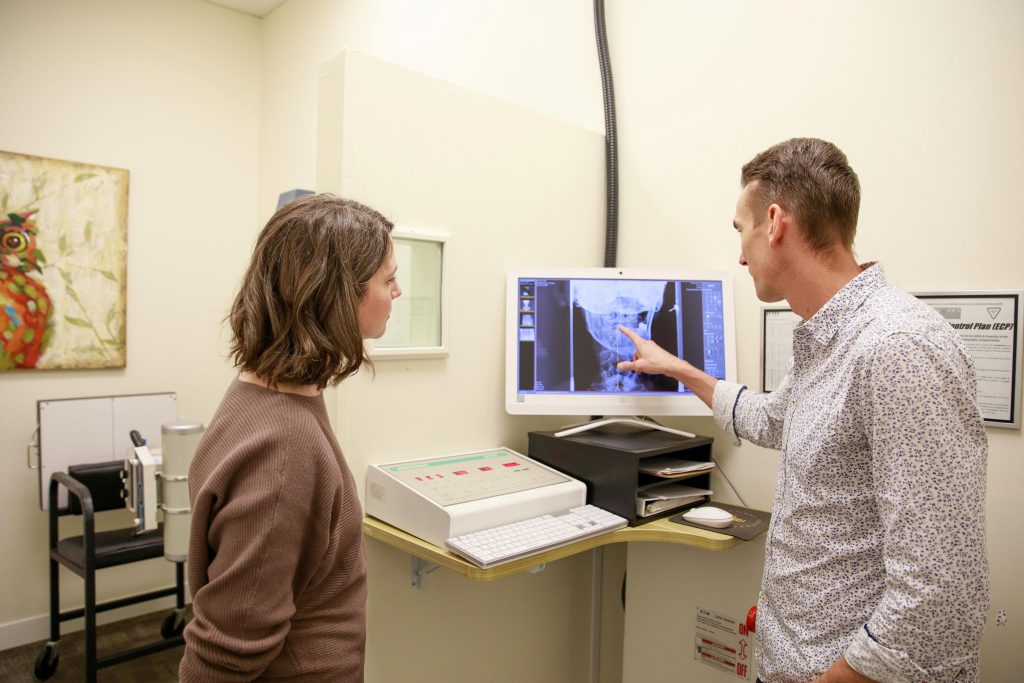
Many people seek Chiropractic Care for guidance. They want more than a recovery timeline.
They want to understand their body’s recovery.
At LifeWorks Family Chiropractic, recovery starts with function. The focus is on nervous system health. Movement quality also receives careful attention. Posture and adaptation complete the picture.
Conversations often include:
- Nervous system function
- Movement patterns
- Posture habits
- Stress adaptation
- Recovery strategies
- Long-term wellbeing
Many people begin asking better questions. They ask how well their body adapts. That perspective often improves understanding.
Why Quality Of Life Matters
Recovery is about more than reaching a certain date. It is about moving with confidence again. Better adaptation often supports easier movement, improved posture, steadier energy, and greater resilience. These changes help you enjoy everyday life.
The body is designed to self-heal, self-regulate, and adapt. Supporting those natural abilities helps improve long-term function and overall wellbeing.
If your recovery feels slower than expected, consider booking a Chiropractic Care assessment. Understanding how your nervous system is adapting can be an important step toward moving and living with greater confidence.
FAQs
1. How long does whiplash last?
Whiplash often improves within two to twelve weeks. Some cases take longer, depending on injury severity and recovery habits.
2. What helps whiplash heal faster?
Gentle movement, good sleep, stress control, and proper guidance often support better recovery. Avoid staying still for too long.
3. Why does whiplash pain come and go?
Recovery is not always linear. Symptoms may improve, then flare again, as your body adapts to daily demands.
4. When should I worry about whiplash?
You should seek medical help if symptoms worsen, or if you notice weakness, numbness, or trouble with balance.