

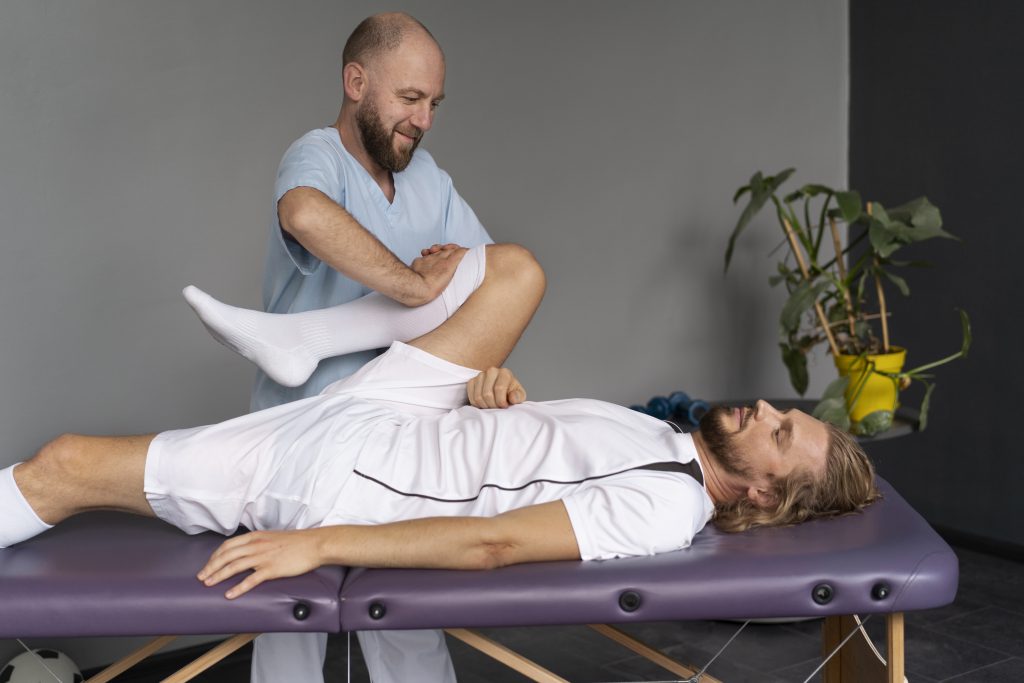
Sciatic symptoms are not always about the lower back alone. They can reflect how your body adapts to daily demands, movement patterns, and stress.
Many people focus on where symptoms appear. However, recurring patterns often point to a bigger picture. Symptoms may become more noticeable after long workdays, stressful weeks, or extended periods of sitting. Then they settle down for a while before returning again.
These recurring patterns can provide valuable clues about overall function. The body communicates through movement, posture, energy, recovery, and adaptation. Sometimes, sciatic symptoms are one of the signals that deserve closer attention.
What Are Sciatic Symptoms?
Many people use the word sciatica without fully understanding it. Sciatic symptoms can look different from person to person. Some people notice changes in one leg. Others notice tingling, numbness, or discomfort during certain activities. The experience often varies depending on the individual.
Common signs may include:
- Symptoms that travel down one leg
- Tingling sensations
- Numbness
- Changes in movement
- Difficulty sitting for long periods
- Recurring symptom patterns
What surprises many people is how unpredictable these patterns can feel. One week feels manageable. The next week feels completely different. That often leads to an important question. Why do these symptoms keep returning?
Why Do Sciatic Symptoms Keep Returning?
Most people expect symptoms to follow a simple pattern. The body rarely works that way.
You may notice changes after a long drive. Symptoms may appear during a stressful week. Poor sleep may seem to make everything feel worse. Sometimes reduced movement plays a role. Other times, daily stress becomes a bigger factor.
Several factors can influence how your body adapts:
- Physical stress
- Emotional stress
- Sitting for long periods
- Reduced movement
- Sleep quality
- Recovery habits
Your nervous system must constantly respond to these demands. Most of the time, it does that very well. When demands continue building, changes in function can become easier to notice.
That is why adaptation matters so much.
Why The Nervous System Plays a powerful role
Your nervous system is the body’s master control system. It helps coordinate everything you do each day. Every movement begins with brain-body communication. Every step depends on accurate nerve signals. Your spine helps protect these communication pathways.
When communication flows well, the body adapts efficiently. The nervous system helps regulate movement and balance. It also helps coordinate responses to daily stress. Most people never think about this process because it happens quietly in the background.
The body is constantly gathering information. The brain uses that information to make adjustments. This process supports movement, recovery, and resilience. When adaptation becomes more difficult, function may change. Sometimes recurring symptoms become easier to notice. That is why nervous system function matters.
1. Your Nervous System Coordinates Movement
Every movement requires communication. The brain, muscles, joints, and nerves must work together. Walking may seem simple. Standing may seem automatic. Yet both require constant coordination.
When movement patterns change, compensation often follows. One area begins working harder. Another area moves less efficiently. Over time, these changes can become noticeable.
Many people discover movement quality matters more than expected. The goal is not simply moving more. The goal is moving well.
2. Your Nervous System Helps You Adapt To Stress
Stress affects more than emotions. It influences how the entire body functions. Think about a stressful week. Sleep becomes less consistent. Exercise gets skipped. Daily routines become harder to maintain.
Your nervous system must adapt to those changes. The body was designed to handle stress. The challenge comes when demands continue increasing. When adaptation becomes harder, recurring patterns may become more noticeable. That is one reason resilience matters.
3. Your Nervous System Influences Posture
Posture is more than a habit. It reflects how the body organizes movement. Your nervous system helps coordinate this process every day. Many people spend hours sitting. Others spend hours looking at screens. These habits influence how the body adapts over time.
The body responds to repeated positions. Sometimes those adaptations are helpful. Sometimes they create new challenges. That is why posture should be viewed as part of a bigger picture.
4. Your Nervous System Supports Recovery
Recovery is not limited to sleep. It happens throughout the day. Your nervous system helps coordinate recovery processes. It helps the body respond to physical demands. It also supports resilience during stressful periods.
When recovery improves, daily function often improves as well. People may notice:
- Better movement
- Improved energy
- Greater resilience
- Better physical confidence
Recovery is really about adaptation. The body is constantly responding to change.
5. Your Nervous System Shapes Everyday Resilience
Life places demands on your body every day. Some days feel easy. Other days feel overwhelming. Your nervous system helps determine how effectively you respond to those challenges. It helps coordinate physical, emotional, and environmental responses.
Examples include:
- Work demands
- Family responsibilities
- Exercise
- Physical challenges
- Emotional stress
The better the body adapts, the better it functions. This is why resilience plays such an important role in overall wellbeing.
6. Your Nervous System Connects The Entire Body
The body does not work in separate pieces. Everything is connected. Movement affects posture. Posture affects function. Function affects adaptation. Adaptation affects quality of life. The nervous system helps coordinate all these processes.
That is why recurring symptoms should never be viewed in isolation. Looking at the whole person often reveals more than focusing on a single symptom.
What Most People Miss About Sciatic Symptoms
Many people focus only on where symptoms appear. That is a normal reaction. Symptoms naturally attract attention. But symptoms rarely tell the whole story.
At LifeWorks Family Chiropractic, we often ask different questions.
- How well is the body adapting?
- How well is the nervous system functioning?
- How well are movement patterns being coordinated?
These questions often reveal a bigger picture. The body constantly communicates through function. It communicates through movement, posture, energy, and recovery. Recurring symptoms may be one part of that message.
Understanding those signals can change your perspective.
Sciatic Pain And Chiropractor: Why People Seek Answers
Many people researching sciatic pain and chiropractic care want clarity. They want answers that make sense. They want to understand recurring patterns. They want to know why symptoms keep returning.
Some wonder if stress plays a role. Others wonder if posture matters. Many ask whether movement habits contribute. These are important questions.
At our chiropractic care, conversations begin with function. The focus is not simply the symptom. The focus is understanding the whole person.
Important discussions often include:
- Nervous system function
- Movement quality
- Posture habits
- Recovery patterns
- Daily stress adaptation
This broader perspective helps people make informed decisions. For many individuals searching for sciatic pain and chiropractor information, understanding the “why” behind recurring patterns is often just as important as understanding the symptoms themselves.
Why LifeWorks Family Chiropractic Takes A Different Approach
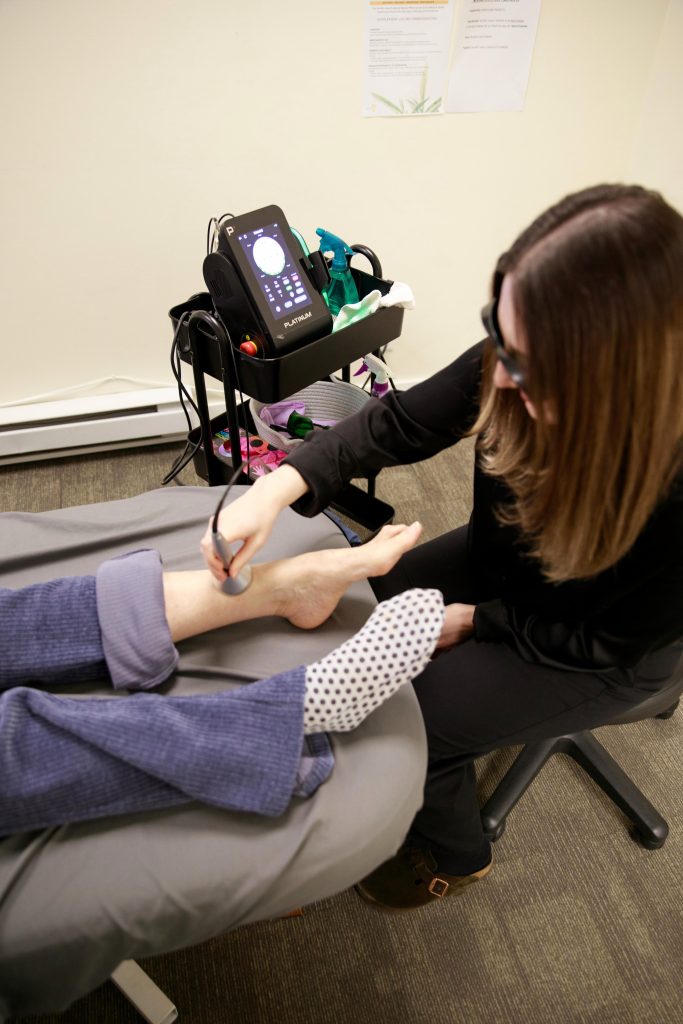
Many healthcare conversations begin with symptoms. LifeWorks takes a different starting point.
The focus is often on nervous system function. The focus is often on adaptation. The focus is often on long-term wellbeing. Symptoms matter but they are not the entire story.
The body is designed to self-heal. The body is designed to self-regulate. The body is designed to adapt. The nervous system helps coordinate those abilities.
That is why many conversations focus on function first. When function improves, quality of life often improves. Many families appreciate this perspective because it helps them better understand their health journey.
Where Chiropractic Care Fits
Many people choose Chiropractic Care because they value understanding. They want more than temporary answers. They want to learn how their body functions. They want guidance during periods of change.
At LifeWorks Family Chiropractic, these conversations matter. The nervous system influences movement and coordination. It influences balance and physical awareness. It also influences adaptation to daily stress.
For some people, Chiropractic Care becomes part of an overall wellness plan. Others appreciate the education and support it provides.
Many value having a trusted team beside them as they learn more about their body’s ability to adapt.
Why Quality Of Life Matters
Recurring symptoms affect more than physical comfort. The impact often reaches daily life. You may think twice before long walks. You may avoid activities you once enjoyed. You may feel less confident moving freely.
Some people reduce exercise because movement feels uncertain. Others become frustrated by recurring limitations.
Over time, these changes can influence wellbeing. That is why quality of life matters. When the body adapts well, life feels different. Movement feels more natural. Energy feels more consistent. Everyday activities require less effort. Life becomes less about limitations. It becomes more about meaningful experiences.
At LifeWorks Family Chiropractic, these outcomes matter. The goal is not simply chasing symptoms. The goal is supporting better function, better adaptation, and a better quality of life.
The body communicates every day through movement, posture, energy, and function. What signals might it be sending you right now?
Frequently Asked Questions
Can stress make sciatic symptoms worse?
Stress places additional demands on the nervous system. For some people, recurring symptom patterns become more noticeable during stressful periods.
Why do sciatic symptoms come and go?
Sleep quality, movement habits, stress levels, and daily activities can all influence how symptoms are experienced.
Can sitting too much affect sciatic symptoms?
Long periods of sitting may influence posture, movement patterns, and overall function.
Is sciatica connected to the nervous system?
Yes. The sciatic nerve is part of the nervous system. That is one reason nervous system function is often discussed when exploring recurring symptoms.
Can poor posture influence sciatic symptoms?
Posture affects how the body moves and adapts. Over time, movement habits may influence overall function and symptom patterns.
What is the connection between sciatic pain and chiropractic care?
Many conversations about sciatic pain and chiropractic care focus on understanding movement, nervous system function, adaptation, and overall wellbeing rather than viewing symptoms in isolation.