


Recurring headaches are not always caused by the head alone. Sometimes, they relate to neck function, posture, and how well the body adapts to daily stress. Most people have had a headache at some point. They drink water, rest, and continue with their day.
But when headaches keep coming back, especially in patterns linked to neck tension, it may relate to cervicogenic headache symptoms. Maybe they appear after a long workday. Maybe they start after hours at your computer. Maybe they show up during stressful weeks, then fade when life slows down again.
That is when deeper questions usually begin. Why does this keep happening, is the neck involved, or could there be a bigger issue?
Those are smart questions to ask.
At LifeWorks, we remind people of something important. Symptoms are only one part of the picture. The body communicates through movement, posture, energy, and function. Sometimes, headaches are one of those signals.
Understanding that connection can change how you view recurring headaches. Instead of focusing only on the symptom, it can help to ask a different question: What might my body be trying to tell me?
What Is Neuro-Spinal Stress?
Daily life places constant demands on your body.
Common examples include:
- Poor sleep
- Long sitting hours
- Work stress
- Reduced movement
- Busy schedules
- Previous injuries
Your nervous system must adapt to these demands. Most of the time, it does that very well. The nervous system is the body’s master control system.
It helps:
- Coordinate movement
- Regulate stress responses
- Support communication throughout the body
When demands begin building up, function may change. Sometimes recurring headaches appear. Sometimes neck stiffness develops first. Others notice reduced mobility. The body is designed to self-regulate and adapt. When adaptation becomes harder, the body often leaves clues.
Why Function Matters More Than Symptoms in Cervicogenic Headache Symptoms
Most people focus on the headache itself. That is understandable. Symptoms get attention quickly. But the body communicates in deeper ways.
Headaches are only one expression of underlying system changes. In some cases, these relate to cervicogenic headache symptoms patterns.
Your nervous system coordinates several key functions daily. It manages movement, posture, balance, recovery, and adaptation. This process runs continuously in the background every day. When the body adapts well, systems work together smoothly.
When adaptation becomes harder, functional changes begin to appear. A recurring headache may be one of those signals. The headache is often the signal, not the full story. The deeper question is why the pattern keeps returning.
1. Your Neck Feels Stiff Before The Headache Starts
Many people notice neck tightness before headache pain begins. You may wake up feeling stiff and restricted. Turning your head may feel harder than usual.
Later in the day, the headache arrives. The neck and head are closely connected. Changes in neck function can influence headache patterns. If the same sequence keeps repeating, pay attention.
2. Pain Starts Near The Base Of The Skull
One common sign involves discomfort near the upper neck.
The pain may:
- Spread toward the forehead
- Move behind the eyes
- Stay mostly on one side
Many people assume the discomfort starts in the head. In reality, the neck may play a larger role. That is one reason location matters. The body often leaves helpful clues.
3. Neck Movement Changes The Headache
Have you noticed your headache changes with movement? Looking over your shoulder may increase discomfort. Certain positions may feel worse. Other movements may feel easier.
Movement provides useful information. It can reveal patterns that deserve attention. If movement changes symptoms, the neck may contribute.
4. Long Workdays Trigger The Same Symptoms
Think about your typical workday. How many hours do you spend sitting? How often do you look down at a screen?
Many people stay in one position too long. Over time, that can affect posture and movement. The body was designed to move often. When movement decreases, some areas work harder. The neck is frequently one of those areas.
5. Stressful Weeks Bring More Headaches
Stress affects more than thoughts and emotions. It influences how the entire body functions. You have probably noticed this pattern before. A stressful week begins.
Sleep changes. Work demands increase. Exercise gets skipped. Then the headache appears again. Your nervous system must adapt to those demands. When adaptation becomes more difficult, recurring patterns become easier to notice.
6. Your Focus And Energy Feel Different
Headaches affect more than physical comfort. Many people notice reduced focus during the day. Others feel mentally drained. Some struggle to maintain steady energy.
These changes can affect:
- Work performance
- Family life
- Exercise habits
- Daily productivity
- Resilience
The nervous system influences all those areas. That is why headaches should not be viewed alone. The body functions as one connected system.
7. The Same Pattern Keeps Repeating
Repetition is often the biggest clue. The same headache follows the same activities. The same neck tension returns each week. The same stressful periods trigger familiar symptoms. The body rarely behaves without a reason. Recurring patterns often deserve a closer look. That is why many people begin searching for answers.
Where Chiropractic Care Fits
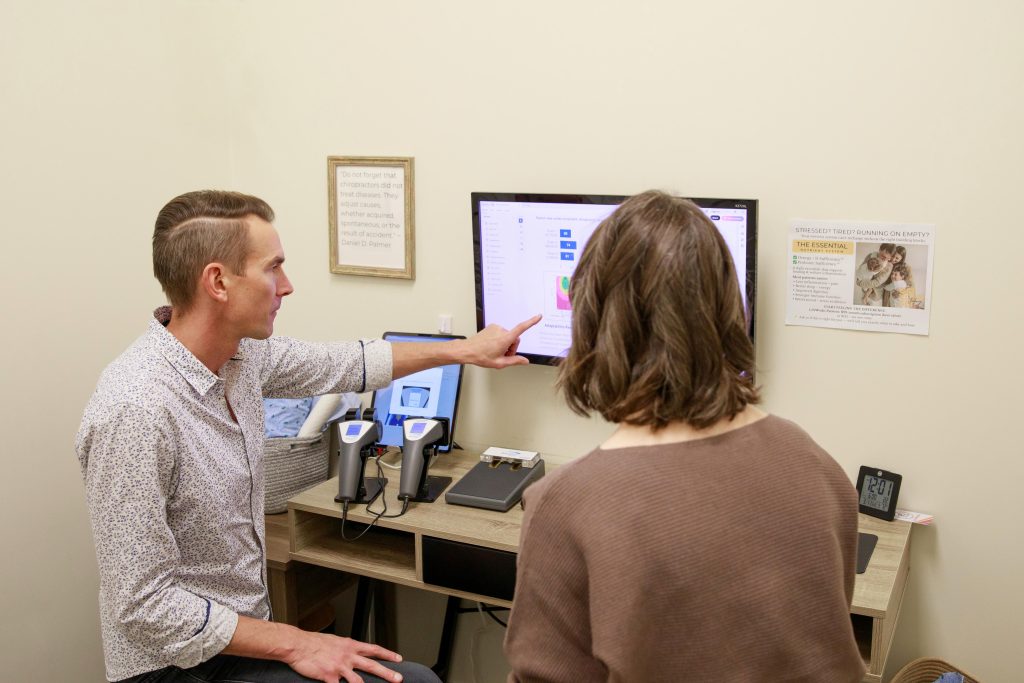
Many people seek Chiropractic Care because they want answers. Not just answers about headaches. They want to better understand body function. Work stress, poor sleep, previous injuries, and daily demands all matter.
Over time, these demands can influence:
- Movement
- Posture
- Adaptation
- Everyday function
At LifeWorks Family Chiropractic, these conversations matter.
They often focus on:
- Nervous system function
- Movement patterns
- Recovery
- Regulation
- Quality of life
The goal is not simply chasing symptoms. The goal is understanding adaptation and recurring patterns. Many families value this broader perspective. It helps them make informed health decisions. For some people, Chiropractic Care supports a proactive wellness plan. Others value the education and guidance it provides. They learn how the brain, spine, and nervous system work together.
Why Quality Of Life Matters
Recurring headaches can be disruptive. But the bigger impact is often on daily function. When your body is not adapting well, everyday tasks feel harder.
You may notice:
- Reduced concentration
- Lower energy
- Slower recovery
- Less resilience
These changes can affect how you work. They can affect how you move. They can affect how you show up for the people around you. That is why function matters.
When the body adapts well, life often feels easier. Energy improves. Movement feels more natural. Daily activities require less effort. Life becomes less about managing limitations. It becomes more about enjoying meaningful moments.
At LifeWorks Family Chiropractic, helping people understand those connections is an important part of the conversation. The body is designed to self-heal, self-regulate, and adapt. Supporting those abilities is not about chasing symptoms. It is about understanding how your body functions. It is about responding before small challenges become larger obstacles. The body communicates every day through movement, posture, energy, and function.
What signals might it be sending you today?
This version reads cleaner, improves dwell time, breaks up long text walls, and aligns more closely with the LifeWorks style while keeping the same content.
Frequently Asked Questions
What are cervicogenic headache symptoms?
Cervicogenic headache symptoms often involve headaches associated with neck stiffness, movement restrictions, or changes in neck function. The discomfort is felt in the head, but the neck may be contributing to the pattern.
Can neck tension contribute to recurring headaches?
In some cases, neck tension and changes in neck function may be associated with recurring headache patterns.
How are cervicogenic headaches different from migraines?
Migraines are considered a neurological condition. Cervicogenic headaches are often associated with neck-related dysfunction and movement patterns.
Can poor posture affect headaches?
Poor posture may influence how the neck and upper body function. In some people, that can contribute to recurring headache patterns.
Why do headaches seem worse during stressful periods?
Stress places additional demands on the nervous system. For some people, recurring headache patterns become more noticeable during busy or stressful times.