


Yes, head forward posture can often be corrected. The real question is why it developed in the first place. Many people notice posture changes slowly. One day, a photo catches their attention. Their head sits farther forward than expected.
Others notice it during work. Sitting upright feels harder. Their shoulders round forward. Their body feels less balanced. Most people think posture is only about muscles. The truth is often much bigger.
Your posture reflects how your body adapts each day. It reflects movement habits, stress levels, recovery, and nervous system function.
At LifeWorks Family Chiropractic, posture is often viewed as a clue. It can reveal how well your body is adapting to life’s daily demands.
Why Does Head Forward Posture Happen?
Your body is always adapting.
If you spend hours looking down, your body adapts. If you sit at a desk all day, your body adapts. If stress follows you everywhere, your body adapts to that too.
Adaptation is not a bad thing. In fact, it helps you function. The challenge comes when temporary changes become long-term patterns. Over time, your head may move forward. Your shoulders may round. Movement may feel less natural.
The nervous system plays a big role here. It helps coordinate movement, balance, and body awareness. It constantly gathers information and helps your body respond. When adaptation becomes less efficient, posture often changes too.
That is why asking “Can head forward posture be corrected?” means looking beyond posture itself.
7 Powerful Signs Your Body Is Adapting Poorly
1. Sitting Up Straight Feels Like Hard Work
Have you ever corrected your posture, then slouched again? Most people have and you may tell yourself to sit straight. A few minutes later, you are back where you started.
This is not always about effort. Sometimes your body has developed movement patterns that no longer support efficient posture.
You may notice:
- Rounded shoulders
- Frequent slouching
- A forward head position
- Difficulty sitting upright
These are often signs of compensation.
2. You Feel Tired More Often
Many people blame a busy schedule. Sometimes the issue goes deeper. Your body needs energy to adapt. When adaptation becomes harder, fatigue often follows.
You may sleep all night and still wake up tired. You may finish simple tasks and feel drained. That does not always mean something is wrong. But it may mean your body is working harder than it should.
3. Your Movement Feels Less Natural
Think about how easily you moved years ago. Many people notice small changes over time. Turning your head feels harder. Reaching overhead feels restricted. Everyday movement feels less smooth.
These changes rarely happen overnight.
Watch for:
- Morning stiffness
- Reduced neck movement
- Less shoulder mobility
- Difficulty turning while driving
Small changes often tell a bigger story.
4. Stress Shows Up in Your Posture
Have you noticed how you carry yourself during stressful weeks? Your shoulders rise. Your breathing changes. Your posture becomes harder to maintain. Stress affects more than emotions.
It affects how your nervous system responds and adapts. When stress stays around too long, the body often reflects it physically.
This is why posture and nervous system function are closely connected. At LifeWorks Family Chiropractic, this relationship is an important part of understanding overall health.
5. Recovery Takes Longer Than Before
A healthy body adapts and recovers. When adaptation slows down, recovery often follows. You may notice it after exercise. You may notice it after you travel. You may notice it after a demanding week.
Common signs include:
- Lower energy levels
- Slower recovery
- Reduced resilience
- Feeling worn down longer
Many people focus on the stress itself.
The bigger question is how well your body recovers afterward.
6. Balance Feels Different
Posture is not only about appearance. It also affects balance and movement awareness. Your brain constantly receives information from muscles, joints, and nerves. It uses that information to guide movement.
When communication becomes less efficient, balance may change.
You may notice:
- Feeling less steady
- Reduced confidence while moving
- Changes in coordination
- Greater awareness of uneven surfaces
Some people exploring Peripheral Neuropathy Relief in Kelowna first notice these changes. They may experience altered sensation, balance challenges, or reduced movement confidence.
These experiences highlight how important healthy nerve communication can be.
7. You Do Not Feel Like Yourself
This sign is often the hardest to explain. You may not have one major complaint. You just know something feels different. Your energy feels lower. Stress feels heavier. Recovery takes longer.
You may ask yourself:
“Why am I always tired?”
“Why does good posture feel exhausting?”
“Why do I feel stuck lately?”
These are valuable questions. Often, they point toward adaptation rather than one isolated issue.
Can Head Forward Posture Be Corrected? Looking at the Bigger Picture
Many people search for one exercise. Others want a quick solution. Real change usually takes a broader view.
Posture reflects daily habits, movement patterns, stress, recovery, and nervous system function. That is why posture correction is not simply about pulling your shoulders back.
The goal is helping your body function better overall. When the body adapts well, healthy posture often becomes easier to maintain.
Why Does Good Posture Feel So Difficult?
Many people wonder about this. If posture matters, why is it so hard? The answer is not always strength. Good posture depends on awareness, balance, coordination, and nervous system function.
When those systems work together well, posture feels natural. When they do not, maintaining posture can feel exhausting. That is why lasting changes rarely come from willpower alone. The goal is helping your body develop better movement habits over time.
How Chiropractic Care Fits Into the Conversation
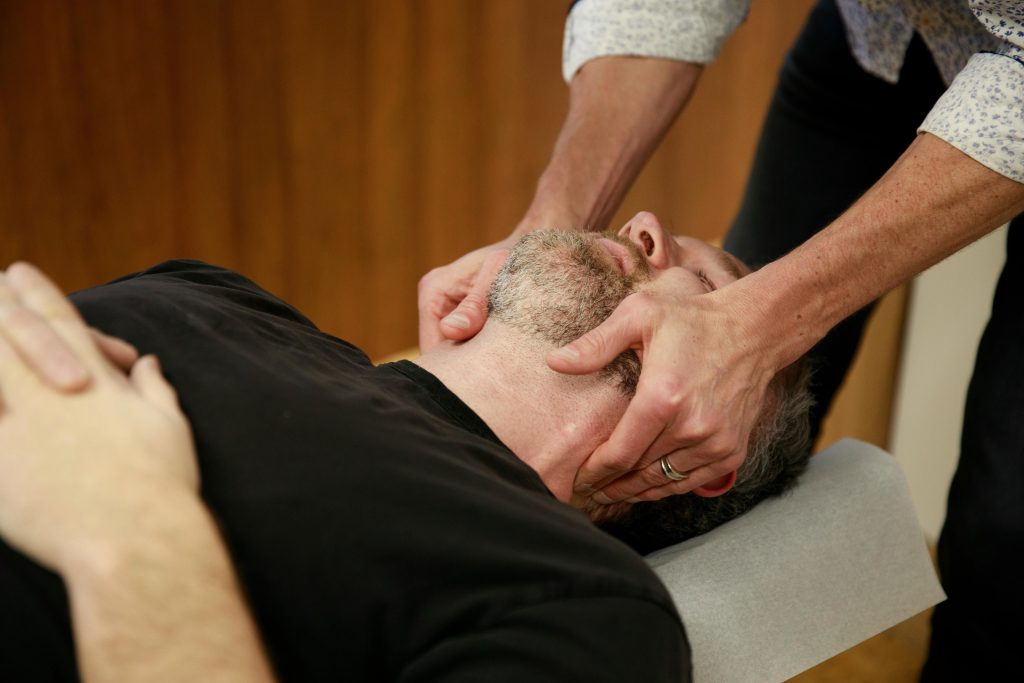
Many people ask where Chiropractic Care fits. The answer starts with the nervous system.
Your brain, spine, and nervous system communicate constantly. They help coordinate movement, balance, awareness, and adaptation.
At LifeWorks Family Chiropractic Care, conversations often focus on function first. The goal is not simply to change posture.
The goal is understanding how well your body adapts to daily stress. When communication works efficiently, your body has a better opportunity to regulate and adapt.
That can support movement, resilience, and overall quality of life.
When Nerve Health Becomes Part of the Discussion
Sometimes posture is only one piece of the puzzle. You may also notice numbness, tingling, or burning sensations. You may notice changes in balance or coordination.
When these symptoms appear, nerve health becomes important to consider. For some individuals, Peripheral Neuropathy Relief in Kelowna becomes part of that conversation.
Changes in sensation can influence movement confidence and daily activities. In our Chiropractic care, the focus remains on understanding how these changes affect function and well-being.
What Should You Watch For?
Instead of focusing on one symptom, watch for patterns.
Ask yourself:
- Do I struggle to maintain posture?
- Does stress affect me more than before?
- Am I recovering well?
- Does movement feel natural?
- Do I feel resilient each day?
Patterns often reveal more than isolated symptoms.
They can provide valuable insight into how well your body adapts.
Why Paying Attention Early Matters
If there is one rule worth remembering, it is this: listen to your body before small challenges become bigger ones.
Your body provides feedback every day. Maybe your posture changes. Maybe recovery takes longer. Maybe movement feels less natural.
These changes are not always problems. Often, they are messages. The earlier you notice them, the easier adaptation can become.
That is one reason many people choose LifeWorks Family Chiropractic. They want proactive support rather than reactive care. Some people also explore Peripheral Neuropathy Relief in Kelowna when nerve-related changes begin affecting daily activities.
Sometimes the most important question is not whether your posture looks perfect.
The better question is this: Is your body adapting well enough to support the life you want to live?
FAQs
Can head forward posture be corrected naturally?
Many people improve posture through better movement habits, recovery, and overall body awareness. Consistency is often more important than quick fixes.
What causes head forward posture?
Common causes include prolonged sitting, frequent screen use, repetitive movements, stress, and reduced movement variety.
Does stress affect posture?
Yes. Stress can influence breathing, muscle tension, and movement patterns. Over time, these changes may affect posture.
Can poor posture affect balance?
Posture and balance work together. Changes in posture may influence movement awareness and stability.
Can Chiropractic Care support posture improvement?
Chiropractic Care often focuses on the relationship between the brain, spine, and nervous system. At LifeWorks Family Chiropractic, posture is viewed through the lens of function, adaptation, and overall well-being.