


How to stop feet tingling at night starts with one simple truth: your body is not malfunctioning, it is adapting to how your nervous system is currently working.
You lie down after a long day, ready to rest. Then it begins. A light tingling. Pins and needles. Maybe a subtle buzzing that keeps pulling your attention back.
You shift your legs. It fades for a moment. Then it returns.
So you start thinking, “Why does this only happen at night?”
Or even, “Is something wrong with me?”
Here’s the honest answer. This is not random. Your body is responding to patterns it has learned over time.
Why Feet Tingle More at Night Than During the Day
During the day, your body is always moving. Even small movements help regulate pressure, circulation, and nerve signals.
At night, that movement stops.
You stay in one position for longer periods. Your body now depends on how well your nervous system can manage pressure and coordination without constant adjustment.
If that system is not functioning efficiently, small imbalances become noticeable.
That is why many people search for how to stop their feet tingling at night, even when they feel fine during the day.
What Your Body Is Actually Telling You
Your body is designed to be self-maintaining, self-adapting, and self-healing. This process is guided by what chiropractors often refer to as your innate intelligence, the built-in system that coordinates movement, balance, and recovery.
At the center of this system is your nervous system.
When it functions well, your body:
- Adjusts pressure without effort
- Maintains circulation naturally
- Keeps communication between brain and body clear
But when that system is not working efficiently, things begin to change.
In chiropractic care, this is often described as a vertebral subluxation complex, which may influence how effectively signals travel between the brain and body. This can develop over time through:
- Physical stress like posture or repetitive strain
- Chemical stress from environment or nutrition
- Emotional stress from daily life
As these build, your body adapts. And sometimes, that adaptation shows up as tingling sensations, especially when your body is still.
So instead of only asking how to stop feet tingling at night, a better question becomes:
“What is my body trying to adapt to right now?”
Why Quick Fixes Often Don’t Last
You may have already tried simple fixes. Moving your feet. Changing positions. Stretching before bed.
They can help briefly. But the sensation often comes back.
That is because most solutions focus on the surface, not the system behind it.
If the communication between your brain and body is not clear, your body will continue repeating the same pattern. This is why lasting change requires a deeper approach.
How to Stop Feet Tingling at Night: 5 Ways to Help Your Body Function Better
These are not temporary tricks. These are ways to support how your body actually works.
1. Improve Nervous System Communication
Your nervous system controls how your body senses position, pressure, and movement.
If that communication is not clear, your body cannot adapt properly during rest.
At LifeWorks Family Chiropractic, this is the starting point. Through structured Chiropractic Care, the focus is on assessing how your spine and nervous system are working together and reducing interference that may affect signal flow.
Neurologically focused chiropractors are specifically trained to assess and address this type of nerve interference within the spine.
This is not a one-time fix. It is a guided process of transformation in how your body functions over time.
2. Adjust Your Sleeping Position for Better Support
Your sleep position can either support your body or add stress to it.
When pressure builds in certain areas and your body cannot redistribute it well, tingling can occur.
Simple changes can make a difference:
- Sleep on your side with a pillow between your knees
- Keep your ankles neutral, not bent or compressed
- Avoid crossing your legs in bed
- Use a mattress that supports your natural alignment
These reduce stress on your system and support better overnight function.
3. Prepare Your Body Before Bed
Going from full activity to complete stillness too quickly can make it harder for your body to adjust.
A short pre-sleep routine helps your nervous system transition more smoothly.
Try this:
- Walk lightly for 5 to 10 minutes
- Do gentle ankle and foot movements
- Stretch your calves slowly
- Focus on calm, steady breathing
This gives your body better input before rest begins.
4. Improve Daily Movement and Load Balance
Your body adapts based on what you do all day, not just what happens at night.
If you sit for long hours or stay in one position, your body develops patterns that affect how it distributes load.
To support better balance:
- Change positions often during the day
- Avoid long periods of stillness
- Stay hydrated to support tissue function
- Wear footwear that allows natural movement
These small habits shape how your body responds later.
5. Address the Root Cause Through Corrective Care
This is where real, lasting change happens.
At LifeWorks, the focus is not on chasing symptoms. It is on understanding why your body is producing them.
Through consistent Chiropractic Care, patients go through a structured process that:
- Identifies areas of nervous system interference
- Supports clearer communication between brain and body
- Tracks progress over time
- Helps the body relearn healthier patterns
Many people exploring care at Chiro Kelowna are looking for more than temporary changes. They want their body to function better long term.
What Changes When Your Body Starts Functioning Better
As your nervous system begins to function more efficiently, your body starts to respond differently.
You may notice:
- More consistent sleep without constant adjustments
- Better coordination in small movements
- Improved balance and awareness
- A stronger sense of connection in your body
Some people also notice physical relief. But that is not the primary goal.
The real shift is how your body operates.
Support Your Body Along the Way
Even with deeper care, your daily habits still matter.
Focus on:
- Moving regularly throughout the day
- Avoiding long periods of stillness
- Staying aware of posture and positioning
- Keeping your body active, not rigid
These support the deeper changes happening in your system.
Your Body Doesn’t Need Managing. It Needs Better Function
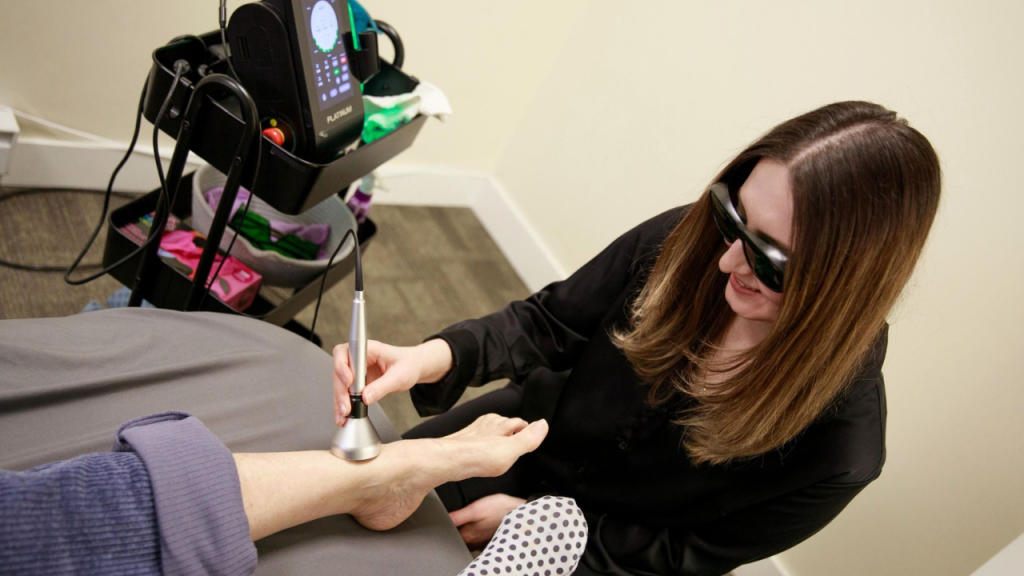
You can keep adjusting your position every night. Many people do. It may work for a while, but the pattern often returns.
Or you can take a different approach.
At LifeWorks, the focus is on helping your body relearn how to function, not just react.
Through structured Chiropractic Care, the goal is to reduce interference in the nervous system and support better coordination over time.
If you are still wondering how to stop feet tingling at night, the next step may not be another quick fix. It may be understanding how your body is actually working.
What would your nights feel like if your body stayed balanced, responsive, and fully connected without constant interruption?
Real Questions People Ask Before Taking the Next Step
At this stage, most people pause and think:
Can I fix this myself?
Mild cases can improve with habit changes. But if the pattern keeps returning, it often means the system needs deeper support.
Is this something serious?
Not always. But recurring tingling is a sign your body is not adapting efficiently.
Do I need expert guidance?
If your body keeps repeating the same pattern, guided care can help you understand what is actually driving it.At LifeWorks Family Chiropractic, the goal is to help you see the bigger picture, not just manage the symptom.