


Safe exercises for herniated discs can relieve discomfort and pressure on the nerves. They help you move again without worrying about getting hurt or getting worse. The secret is simple: the appropriate movements help you heal, and the bad ones slow down the healing process.
You are not the only one who has acute back pain, stiffness, or discomfort that goes down your leg. A lot of individuals wonder, “Should I rest more or get up and move?” The answer is somewhere in the middle. Complete rest doesn’t function as well as guided movement.
At LifeWorks Family Chiropractic, we give you advice and care that helps you understand how your body responds to movement and helps you safely regain movement while relieving pressure on your spine. We don’t just assist you deal with your symptoms here. We deal with the problem at its source.
What Is a Herniated Disc and Why Exercise Helps
When the soft center of a spinal disc pushes out, it causes a herniated disc. This can put pressure on adjacent nerves, which can hurt, make you numb, or make you weak.
You can feel pain in your lower back or it might move down your leg. It can sometimes hurt your neck and arms, depending on where it is.
Here is the important part: movement helps healing.
When you do the right exercises:
- Blood flow improves to the affected area
- Pressure on nerves reduces naturally
- Muscles support your spine more effectively
If you choose the wrong movements, symptoms can worsen quickly. That is why many people combine exercises with Spinal Decompression Therapy at Chiro Kelowna. This creates space in the spine and supports safe healing.
6 Safe Exercises for Herniated Disc (Step-by-Step Guide)
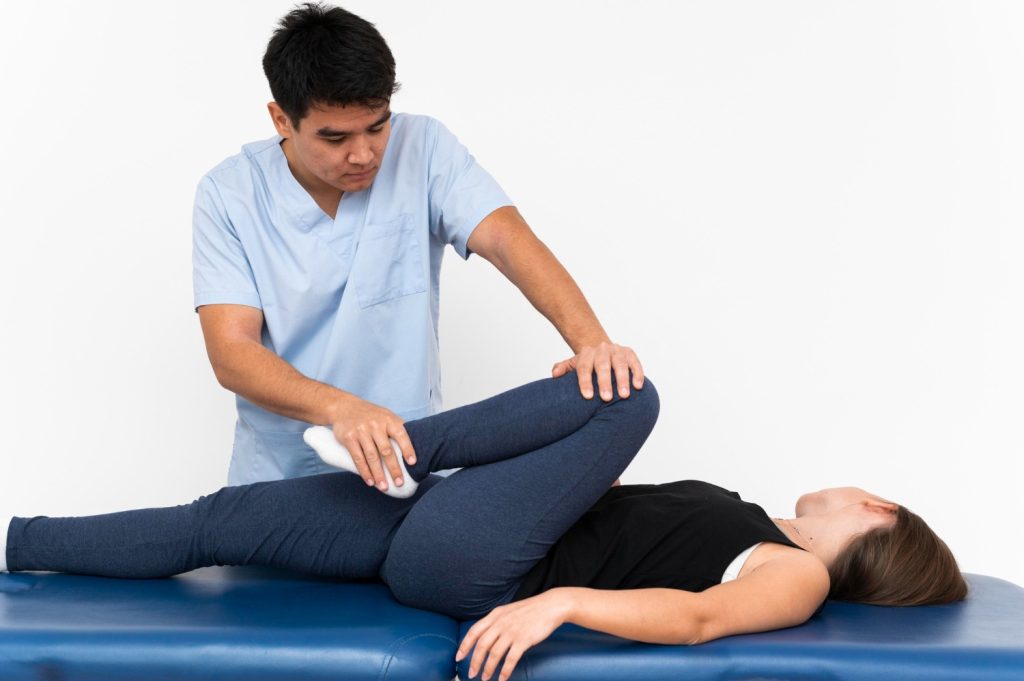
These exercises for herniated disc are widely recommended by chiropractors because they reduce strain while improving stability.
1. Pelvic Tilt (Builds Core Support)
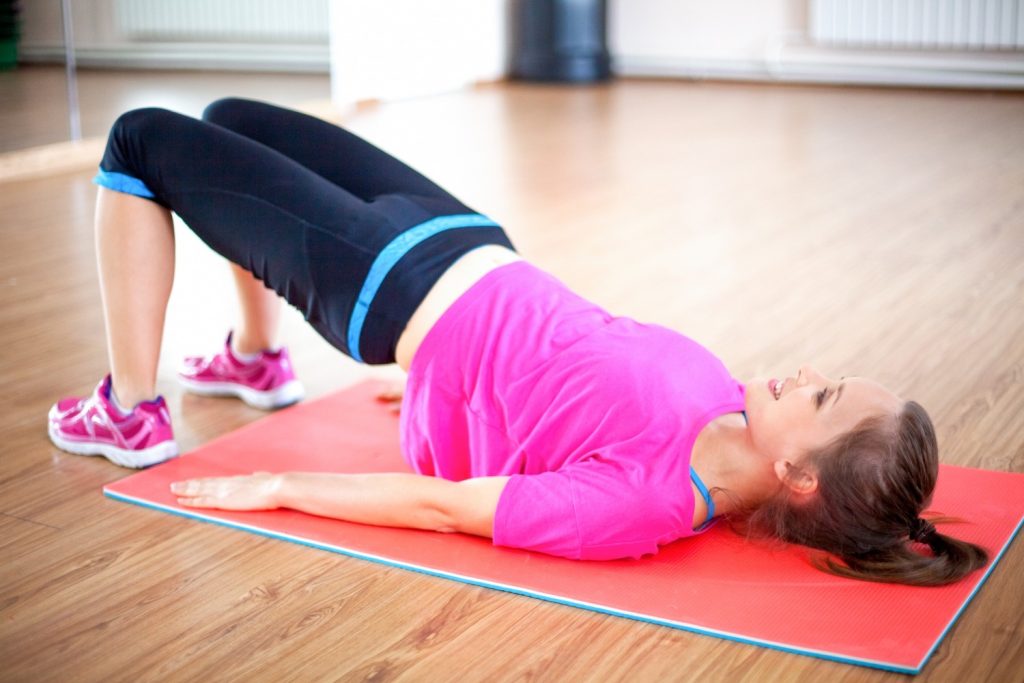
This is often the first step in the recovery process because it helps re-establish proper muscle engagement and control. It teaches your core muscles, especially the deep stabilizers, to properly support your spine, which can reduce strain, improve posture, and create a stronger foundation for all other movements. Over time, this simple exercise can help your body move more efficiently and with less discomfort.
How to do it:
- Lie on your back with knees bent
- Tighten your stomach muscles
- Press your lower back gently into the floor
- Hold for 5 seconds and relax
Common mistake:
Pushing too hard instead of keeping it gentle
2. Knee-to-Chest Stretch (Relieves Lower Back Pressure)
This stretch helps release tension around your spine.
How to do it:
- Lie on your back
- Pull one knee toward your chest
- Hold for 15–20 seconds
- Switch sides
Common mistake:
Pulling aggressively instead of easing into the stretch
Many patients notice better results when combining this with Chiropractic Care, which improves joint movement.
3. McKenzie Extension (Reduces Nerve Compression)
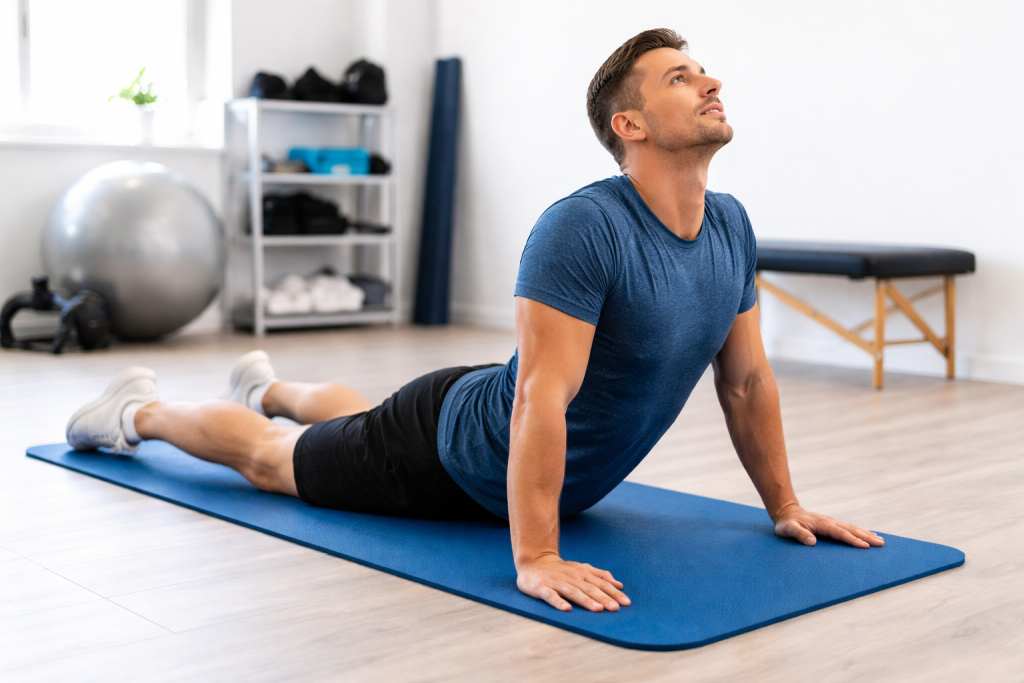
One of the most effective exercises for herniated disc, especially for disc bulges.
How to do it:
- Lie on your stomach
- Place hands under shoulders
- Push your upper body up slowly
- Keep hips on the floor
Common mistake:
Lifting hips, which reduces effectiveness
If your leg pain reduces during this movement, that is a good sign.
4. Cat-Cow Stretch (Improves Spine Mobility)
This movement keeps your spine flexible and active.
How to do it:
- Get on hands and knees
- Arch your back slowly
- Then round it gently
- Repeat in a slow rhythm
Common mistake:
Moving too fast without control
This works well alongside Spinal Decompression Therapy, which supports alignment.
5. Bird Dog (Builds Stability)
This exercise strengthens your core and improves balance.
How to do it:
- Start on hands and knees
- Extend one arm and opposite leg
- Hold for 5 seconds
- Switch sides
Common mistake:
Letting hips rotate or drop
6. Hamstring Stretch (Reduces Back Strain)
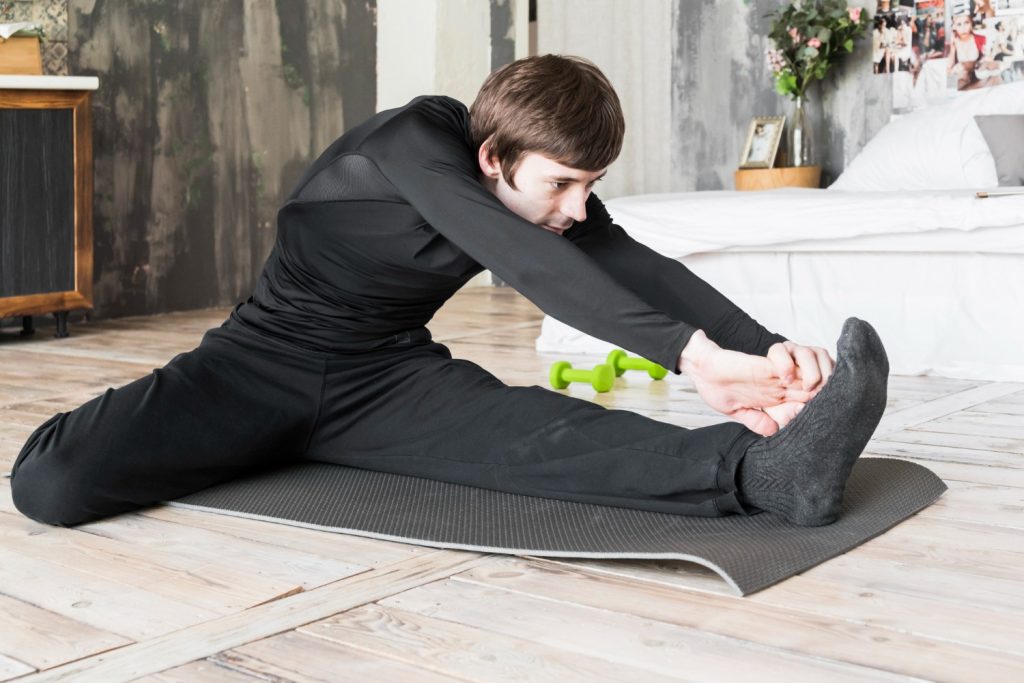
Tight hamstrings increase pressure on your lower back.
How to do it:
- Sit or lie down
- Gently stretch one leg
- Hold for 15–20 seconds
Common mistake:
Bouncing during the stretch
Exercises for Herniated Disc to Avoid (Critical Mistakes)
This is where many people go wrong.
You might think more effort equals faster recovery. But some exercises can make things worse.
Avoid these movements:
- Heavy weight lifting
- Running or jumping
- Deep forward bends
- Sit-ups or crunches
- Twisting movements (like golf swings)
Ask yourself, “Does this movement increase pain?” If yes, stop immediately.
How to Know Which Exercises Are Right for You
Not every herniated disc feels the same. Your exercise plan should match your symptoms.
Think about your pain pattern:
- Pain in lower back only
Focus on gentle mobility and core work - Pain shooting down the leg (sciatica)
McKenzie extensions often help - Neck pain with arm symptoms
Avoid aggressive stretching
If you are unsure, guided care at LifeWorks Family Chiropractic can help you avoid trial-and-error mistakes.
Things You Should Focus on During Recovery
Exercises alone are not enough. Daily habits shape your recovery.
Small changes create big results over time.
Focus on:
- Moving every day, even if lightly
- Avoiding long sitting periods
- Maintaining good posture
- Sleeping with proper support
- Tracking small improvements
You might wonder, “Am I healing fast enough?” Progress often feels slow, but consistency wins.
How Chiropractic Care Speeds Up Healing
Exercises are effective on their own, but they work even better with guided care. Chiropractic care aims to improve joint function while easing pressure and irritation on the surrounding nerves.
Chiropractic Care helps restore alignment and reduce nerve pressure. At LifeWorks Family Chiropractic, care is tailored to your condition.
Benefits include:
- Better joint movement
- Reduced inflammation
- More stable recovery
- Improved exercise results
Where Spinal Decompression Therapy Fits In
Sometimes, your disc needs extra support to heal.
Spinal Decompression Therapy gently stretches the spine. This reduces pressure on the affected disc.
At LifeWorks Family Chiropractic, this therapy is often combined with exercise plans.
It helps:
- Relieve nerve pressure
- Improve disc hydration
- Support long-term healing
When Peripheral Neuropathy Relief Becomes Important
If you feel tingling, numbness, or burning pain, nerves are likely involved.
Peripheral Neuropathy Relief focuses on calming nerve irritation and improving function.
At LifeWorks Family Chiropractic, this service works well alongside movement-based recovery.
When to See a Chiropractor or Specialist
Some symptoms need expert attention.
Watch for:
- Pain lasting more than a few weeks
- Numbness or tingling
- Muscle weakness
- Pain that keeps getting worse
If you notice these, do not delay care.
Key Takeaways
The appropriate exercises for a herniated disc can help with pain, movement, and avoiding future injuries. Recovery becomes more organized and effective when you add Chiropractic Care, Spinal Decompression Therapy, and Peripheral Neuropathy Relief.
The true question is not if you should move. It’s whether you’re moving in a way that helps your spine repair or keeps it caught in the same cycle.
FAQs About Exercises for Herniated Disc
Can exercise worsen a herniated disc?
Yes, if done incorrectly. That is why guided movement matters.
How long does recovery take?
Most people see improvement within a few weeks with consistent care.
Can I go to the gym?
Yes, but avoid high-impact and heavy lifting.
Is rest better than exercise?
Too much rest can slow recovery. Gentle movement helps more.