


Your sleeping position affects recovery more than most people realize. The way you sleep each night can influence how well your body adapts, regulates, and prepares for the next day.
Most people think sleep is simply about rest.
But sleep is actually one of your body’s most important recovery tools. While you sleep, your nervous system processes information. Your muscles recover. Your brain organizes the events of the day. Your body prepares to handle tomorrow’s challenges.
That is why sleep quality matters so much.
Have you ever slept for eight hours and still felt exhausted?
Most people have.
You wake up tired. Your body feels stiff. Your energy feels low. You wonder what happened.
The answer is not always about how long you slept. Sometimes it is about how well your body recovered during that time.
In our care, recovery is viewed through a different lens. The conversation is not simply about symptoms. It is about how well the nervous system helps the body adapt to physical, emotional, and chemical stress.
Understanding that connection can change the way you think about sleep.
Why Recovery Matters More Than Most People Think

Life places demands on your body every day.
Work deadlines. Family responsibilities. Long commutes. Busy schedules. Poor weather. Missed meals. Late nights.
Each challenge may seem small on its own.
But stress has a way of stacking up.
Think of recovery like charging your phone.
If your phone never reaches a full charge, performance starts to drop. The same thing can happen with your body.
Recovery gives your body a chance to restore itself.
When recovery suffers, adaptation often suffers too.
You may notice:
- Lower energy
- Less resilience
- Poor concentration
- Reduced motivation
- Slower recovery from daily stress
These signs do not always point to a specific problem.
Sometimes they simply suggest your body needs better recovery conditions.
1. Your Sleeping Position Influences How Your Body Adapts
Your body spends roughly one-third of life sleeping.
That is a lot of time in one position.
During those hours, your body continues working. Your nervous system stays active. Your brain continues processing information. Recovery systems remain busy.
A poor sleeping setup can make that process harder.
A supportive sleeping position helps your body stay more relaxed throughout the night.
That does not mean there is one perfect position for everyone.
Every person is different.
The goal is finding a position that allows your body to rest without unnecessary strain.
Many people searching for the best sleeping position for sciatica focus only on discomfort. The bigger question may be whether their sleeping habits support recovery in the first place.
That shift in thinking often leads to better long-term results.
2. The Nervous System Never Truly Turns Off
Many people imagine the nervous system takes a break at night.
It does not.
Your nervous system works around the clock.
It helps regulate:
- Breathing
- Heart rate
- Digestion
- Recovery
- Movement coordination
- Stress responses
That is why quality sleep matters so much.
When sleep becomes disrupted, your nervous system may have fewer opportunities to regulate effectively.
This can influence how you feel the next day.
You may feel less patient.
You may feel less focused.
You may find everyday challenges harder to manage.
At LifeWorks Family Chiropractic, these conversations often focus on nervous system function because it influences nearly every aspect of health and well-being.
3. Stress Often Follows You Into Bed
Most people leave work at work.
The body does not always do the same.
Stress has a way of tagging along.
Have you ever gone to bed exhausted but struggled to relax?
Your body feels tired.
Your mind feels busy.
You keep replaying conversations or planning tomorrow’s schedule.
That experience is common.
Physical stress is only one piece of the puzzle.
The body also responds to:
| Type of Stress | Examples |
| Physical Stress | Poor posture, repetitive movements, sitting |
| Emotional Stress | Work pressure, family demands, deadlines |
| Chemical Stress | Poor sleep habits, nutrition, environment |
These stressors affect how well your body adapts.
The goal is not removing every source of stress.
That is impossible.
The goal is helping your body recover from it more effectively.
4. Recovery Starts Before You Fall Asleep
Many people focus on sleep itself.
Few people think about what happens before bedtime.
Your evening habits matter.
Imagine drinking coffee late at night. Scrolling social media for two hours. Answering emails right before bed.
Then expecting your body to instantly relax.
That can be difficult.
Recovery begins long before your head hits the pillow.
Simple habits can help create better recovery conditions:
Consider These Evening Habits
- Reduce screen time before bed
- Keep a consistent sleep schedule
- Dim lights in the evening
- Stay hydrated throughout the day
- Create a calm bedtime routine
These habits may seem simple.
Simple does not mean unimportant.
Small actions repeated daily often create meaningful change.
5. Better Sleep Supports Better Function
Many people chase symptoms.
They search for quick fixes.
They look for one thing that will solve everything.
The body rarely works that way.
Better function often comes from consistent habits.
Sleep is one of those habits.
When recovery improves, other areas may improve too.
You may notice:
- Better energy
- Better focus
- Better resilience
- Better movement
- Better stress management
Those outcomes matter because they affect everyday life.
The goal is not perfection.
The goal is helping your body function at its best.
That perspective aligns closely with the philosophy at LifeWorks Family Chiropractic.
The focus remains on helping the body adapt rather than simply reacting to symptoms.
What About The Sleeping Position For Sciatica?
Many people ask about the ideal sleeping position for sciatica.
It is a reasonable question.
But there is rarely a universal answer.
Bodies are different.
Movement patterns are different.
Stress levels are different.
Recovery needs are different.
Instead of searching for one perfect position, it may be more helpful to ask:
“Does my sleeping position support recovery?”
That question shifts the focus toward function.
It encourages a broader understanding of how sleep influences overall health.
Many people find that changing small habits around sleep improves how they feel each morning.
Where Chiropractic Care Fits Into The Conversation
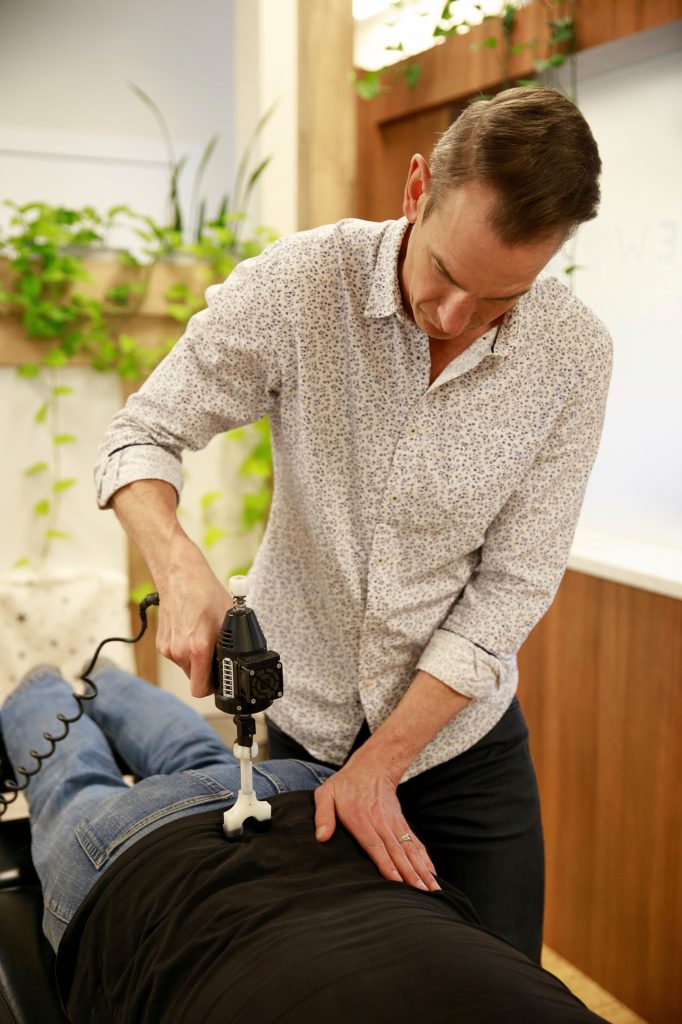
Chiropractic Care is often associated with symptoms.
That view only tells part of the story.
At LifeWorks Family Chiropractic, care is approached through the understanding that the nervous system plays a central role in how the body adapts and functions.
The brain and body communicate through the nervous system. That communication helps coordinate movement, balance, recovery, and adaptation.
When people understand that connection, they often see their health differently. The conversation becomes bigger than one symptom. It becomes about function.
Many families choose Chiropractic Care because they want a proactive approach to health. They want support before small challenges become larger ones.
That approach aligns closely with the body’s natural ability to adapt and self-regulate.
Small Signals Are Worth Paying Attention To
Your body communicates constantly.
The signals are not always dramatic.
Sometimes they are subtle.
You may notice:
- You wake up tired
- Recovery feels slower
- Stress feels heavier
- Energy feels lower
- Focus feels harder
These signs are not always problems.
Often, they are hidden messages and signs your body is trying to tell you.
The earlier you notice those messages, the easier it becomes to make meaningful changes.
That is one reason many people pay closer attention to sleep habits, recovery patterns, and overall function.
At LifeWorks Family Chiropractic, those conversations often begin with simple questions about daily life, recovery, and adaptation.
A Different Way To Think About Sleep
Most people view sleep as the end of the day. In reality, it is preparation for the next one. Every night gives your body a chance to recover. It gives your nervous system a chance to regulate. It gives your brain a chance to prepare for tomorrow’s demands.
The best sleeping position for sciatica may not be the one that simply feels comfortable tonight. It may be the position that best supports recovery, adaptation, and long-term function. Because when your body adapts well, everything else becomes a little easier.
The real question is not whether you are getting enough sleep. The real question is whether your sleep is helping your body become more resilient for the life you want to live.