

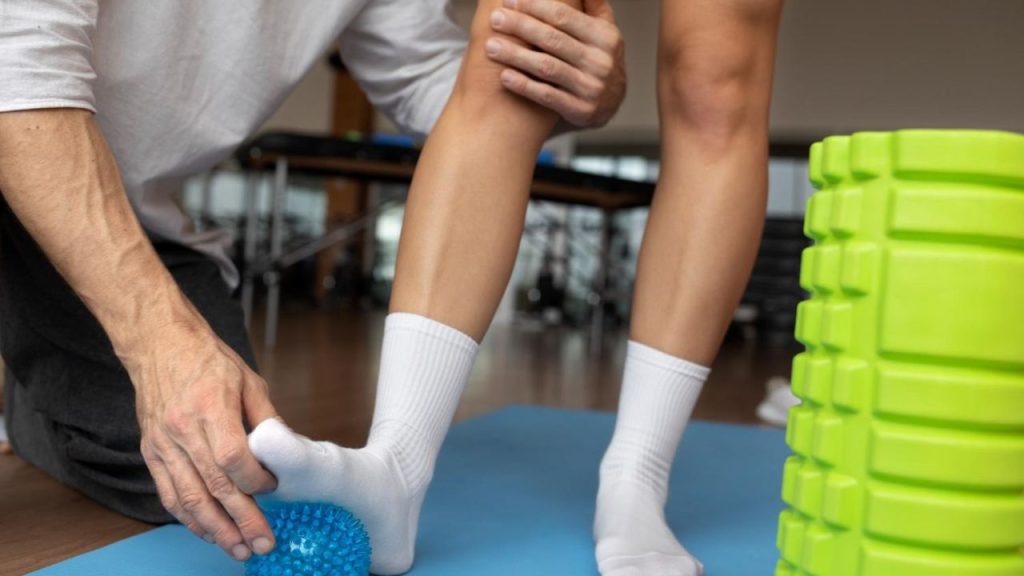
Yes, you can safely start exercises for peripheral neuropathy today, and the right ones can improve balance, reduce tingling, and help you feel steady again.
If your feet burn at night or feel numb when you walk, you are not alone. Many people in Kelowna face the same fear. You may wonder, “Will movement make this worse?” Or, “Should I just rest?” The honest answer is this. The right movement helps. The wrong kind can frustrate you.
At LifeWorks Family Chiropractic, patients often arrive feeling unsure. They want relief but do not want to take risks. The Peripheral Neuropathy Relief Program is built for that exact moment. It blends safe exercise with clinical support, so you are not guessing.
Let us walk through why movement matters first. Then we will go step by step.
Why Exercises for Peripheral Neuropathy Help
Nerves need blood flow. They need oxygen. They need gentle stimulation.
When pain causes you to move less, circulation slows. Muscles weaken. Balance fades. That is when falls happen. And fear grows.
Simple exercises wake the nerves up. They improve muscle strength in your feet and legs. They also help your brain reconnect with your body.
You might ask, “Is this safe for beginners?” In most mild to moderate cases, yes. The key is controlled, low-impact movement. No jumping. No strain.
If you live with diabetic nerve pain or post-treatment nerve damage, guidance matters even more. A structured plan prevents overdoing it.
1. Seated Ankle Pumps
This one looks simple. It works.
Sit tall in a chair. Keep both feet flat. Lift your toes up. Lower them slowly. Then lift your heels. Repeat.
Start with 15 repetitions.
This boosts blood flow to the feet. Many people notice warmth within minutes. Warmth means circulation is improving. Better circulation supports nerve tissue.
You can do this while reading or watching TV. Small habits count.
2. Heel-to-Toe Balance Walk
Balance loss often creeps up slowly. One day you feel steady. The next day you reach for walls.
Stand near a counter. Place one foot directly in front of the other. Heel touches the toe. Take 10 slow steps forward.
Keep your head up.
This retrains nerve signals between your feet and brain. It also builds ankle stability. If you feel unsure, have someone nearby.
At LifeWorks Family Chiropractic, this is often supervised first. Safety builds confidence.
3. Calf Raises
Strong calves improve blood return from your feet. They also reduce fall risk.
Stand behind a sturdy chair. Hold for support. Lift your heels slowly. Pause at the top. Lower down with control.
Start with 10 reps.
If standing feels hard, try seated raises first. Progress slowly. Your pace matters more than speed.
4. Towel Toe Curls
Place a small towel flat on the floor. Sit in a chair. Put your bare foot on the towel. Use your toes to scrunch it toward you.
Do this for one minute per foot.
This strengthens tiny muscles in your feet. Those muscles help with balance. They also improve foot awareness, which neuropathy often reduces.
It may feel awkward at first. That is normal. Stick with it.
5. Gentle Hamstring Stretch
Tight hamstrings can increase nerve tension in the legs.
Sit at the edge of a chair. Extend one leg forward. Keep your back straight. Lean slightly forward from your hips until you feel a mild stretch.
Hold for 20 seconds.
Do not force the stretch. You want mild tension, not pain. Flexible legs reduce stress along nerve pathways.
6. Whole-Body Vibration Therapy at LifeWorks
Some support goes beyond home exercises. Whole-body vibration therapy is one of the most valuable services offered in the neuropathy program at LifeWorks Family Chiropractic.
You stand on a specialized platform. It delivers controlled, low-frequency vibrations. These gentle waves stimulate muscles and improve circulation.
Research shows vibration therapy may:
- Improve balance
- Increase muscle activation
- Support blood flow
- Enhance functional mobility
Patients often report feeling steadier after sessions. It pairs well with home exercises because it activates nerve pathways in a safe, supervised way.
If you are thinking, “Do I really need this?” consider this. Home movement helps. Clinical tools accelerate progress.
Why Professional Guidance Still Matters
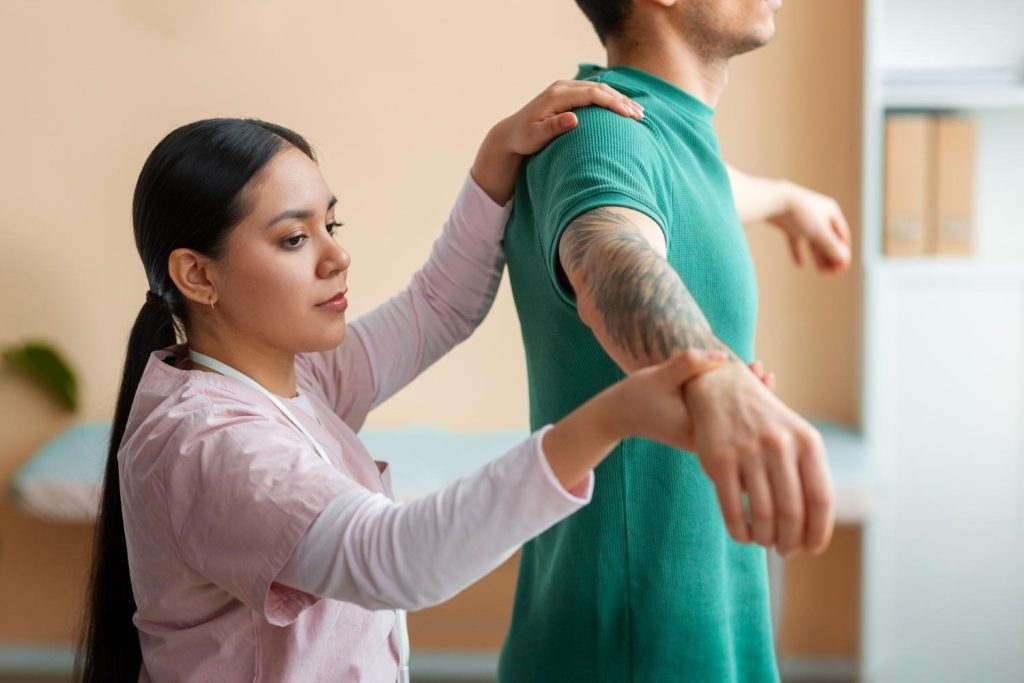
You may ask, “If I can do these at home, do I really need a clinic program?”
Fair question.
Home exercises help. But neuropathy is complex. Causes range from diabetes to chemotherapy to unknown triggers. A proper assessment checks:
- Balance risk
- Nerve sensitivity
- Muscle weakness
- Circulation status
The Peripheral Neuropathy Relief Program in Kelowna blends:
- Laser therapy for inflammation support
- Whole-body vibration
- Nutritional guidance
- Structured rehab exercises
This layered approach increases your odds of steady progress.
How the 4-Step Neuropathy Program Supports Your Progress
Exercise is one piece of the puzzle. The Peripheral Neuropathy Relief Program at LifeWorks uses a structured four-step approach.
Step 1: Comprehensive Neuropathy Examination
This detailed exam evaluates nerve function, balance, and circulation. It identifies your specific type of neuropathy. No guesswork.
Step 2: Summus Laser Therapy Protocol
Using the Summus Medical Laser, light energy targets inflammation and supports cellular repair. It creates a healthier environment for nerves.
Step 3: Whole-Body Vibration Therapy
This stimulates muscle fibers and enhances circulation. It strengthens the same systems your exercises activate.
Step 4: Certified Neuropathy Home Care Guide
You receive structured exercises, stretches, and nutrition support. Accountability keeps you consistent.
When patients ask, “Is it worth the money?” This integrated system is the reason many say yes.
Real Questions You Might Be Asking
“Can I just walk more instead?”
Walking is helpful. But it does not target toe strength or fine balance control. Specific exercises fill those gaps.
“Will I see results fast?”
Some feel lighter legs in weeks. Others need steady practice for months. Consistency wins.
“Is this safe if I am older?”
Most neuropathy patients are older adults. These movements are low impact and adjustable.
“Do I need supervision?”
If balance feels unstable, yes. A supervised start reduces fall risk.
Simple Tools That Help at Home
Support your routine with:
- Supportive shoes with firm heel support
- A resistance band for ankle work
- A balance pad for stability practice
- Warm socks before sessions to boost comfort
These are small investments. They make practice easier.
Key Takeaways for You
Peripheral neuropathy does not mean stop moving. It means to move smarter.
Start with gentle exercises. Stay consistent. Listen to your body.
Combine home routines with structured support like the program at LifeWorks Family Chiropractic. Layered care improves outcomes.
You do not have to accept numbness as your new normal. The right plan builds strength one step at a time.
If you could feel steadier three months from now, would you take the first step today?
When to Pause and Seek Help
Stop and consult a professional if you notice:
- Sudden weakness in one leg
- New loss of bladder control
- Rapidly worsening numbness
- Severe pain not linked to activity
These are not normal training signals.
You do not need to live in fear of your feet. Gentle motion is medicine. The right guidance builds confidence step by step. The team at LifeWorks Family Chiropractic offers structured support through their Peripheral Neuropathy Relief Program, blending clinical care with practical movement.
So here is the real question. If your nerves could feel steadier in three months, would you start today or wait another year?